Vacuum Furnace Operation & Maintenance: Complete Guide for Beginner
- By: Brother Furnace
- 2026-03-31 23:37
Let’s be honest: a vacuum furnace is a significant investment. Its performance directly impacts product quality, throughput, and your bottom line.
The difference between a furnace that runs flawlessly for years and one plagued by downtime often comes down to two things: consistent operation and proactive maintenance.
Our guide provides clear, actionable steps for operating and maintaining your equipment. Adhering to these practices minimizes unplanned stops, extends service life, and protects your capital investment.
1. Laying the Foundation: Pre-Operation Safety and Checks
Safe and efficient operation begins long before the start button is pressed. A rigorous pre-operation routine is non-negotiable.
Equipment Familiarization is Required. A thorough understanding of the specific furnace type—whether it’s a vacuum sintering furnace or a vacuum brazing furnace—is essential. All safety devices and emergency procedures must be thoroughly understood.
The Essential Pre-Start Checklist. The following series of checks should be performed before each loop:
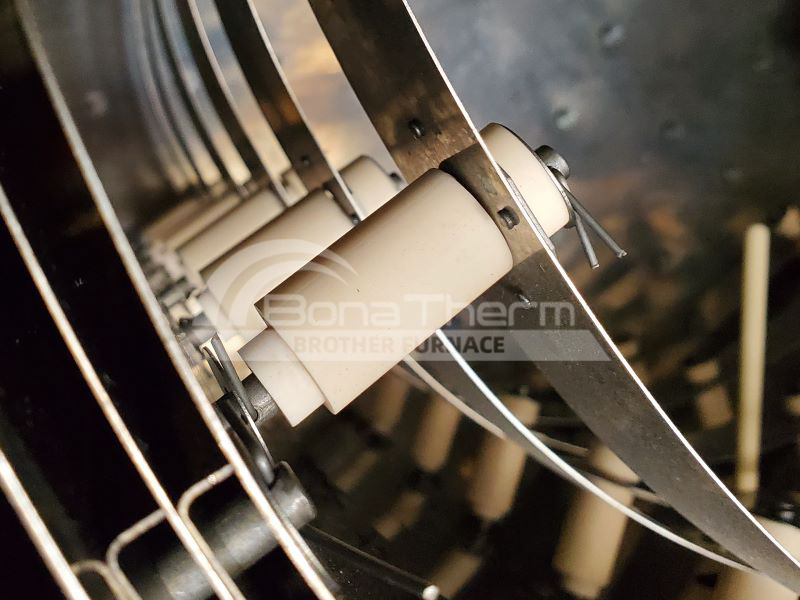
Chamber Condition: The furnace interior must be confirmed clean, dry, and free of contaminants to meet vacuum hygiene standards.
Electrical & Mechanical Integrity: All electrical connections should be verified. For high-temperature furnaces, insulation resistance between critical components must be measured and confirmed to be within specification.
Instrumentation Verification: Thermocouple placement and calibration should be checked, and all monitoring instruments must be confirmed to be functional and accurate.
System Fluids: Vacuum pump oil, cooling water pressure/temperature, and compressed air supply need to be verified as adequate and within operational range. A functional test of the safety alarm system is recommended.
2. Ensuring Stability: Key During-Operation Practices
During the process cycle, vigilance and adherence to set parameters are critical for stable performance and product quality.
Process Adherence is Paramount. The established process recipe—including heating rates, set temperatures, hold times, and required vacuum levels—must be strictly followed. Heating should not be initiated until the specified vacuum level is achieved. If pressure rises due to outgassing, the heating rate must be reduced accordingly.
Constant Monitoring is Mandatory. Temperature and vacuum gauges should be monitored continuously throughout the cycle, with adjustments made as necessary based on the process curve.
Defined Fault Response: In the event of a fault:
1) The heating power must be cut off immediately.
2) The furnace should be kept under vacuum.
3) Inspection or maintenance may only be conducted after the temperature has dropped to a safe level.
The chamber should never be opened to the atmosphere while hot.
3. Protecting the Core: Vacuum System Operation
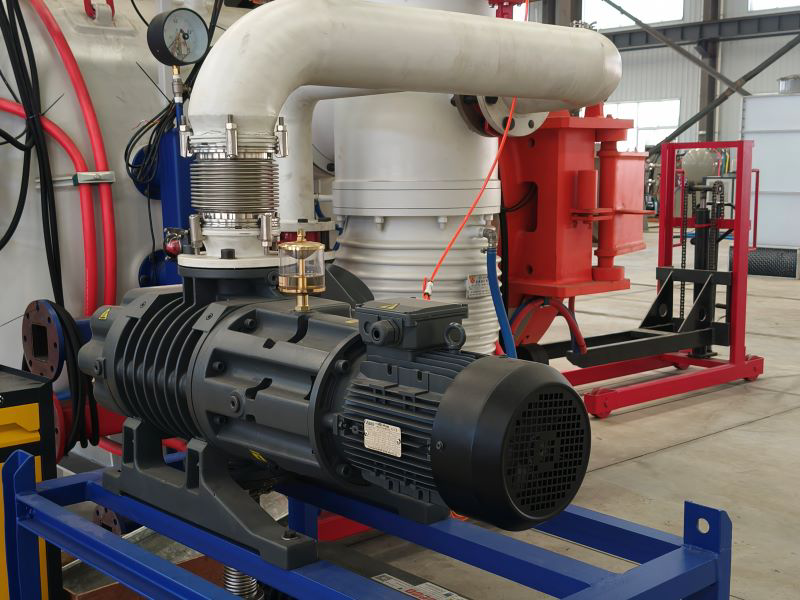
The vacuum system is the heart of the furnace, and its proper handling directly impacts pump life and system performance.
Pump Oil Maintenance: Oil levels in vacuum pumps integrated into our systems must be maintained, and oil should be replaced in rotary and diffusion pumps at regular intervals as specified. Contaminated oil is a primary cause of performance degradation.
Proper Pump Shutdown: Before a pump is shut down, its inlet valve should be closed to isolate it from the system, and the pump should be vented to prevent oil back-streaming.
Operational Sequence: Mechanical booster pumps should be started only after the backing pump reaches its designated operating pressure. Pump temperatures must be kept within the allowed range during operation.
4. Emergency Response Protocols
A clear, calm response to emergencies can prevent major damage.
Power Failure During Heating: The main power supply should be turned off, all controls set to “off,” and necessary vacuum valves closed. Water cooling flow may be increased to accelerate cooling of the hot zone and workload, if the system allows.
Cooling Water Failure: The power supply must be cut off immediately. If a backup water supply is available, it should be engaged. If not, high-temperature areas may need to be cooled manually to bring the system to a safe state.
5. Extending Service Life: Daily Maintenance Requirements
Long-term reliability is built on simple, consistent post-process and daily habits.
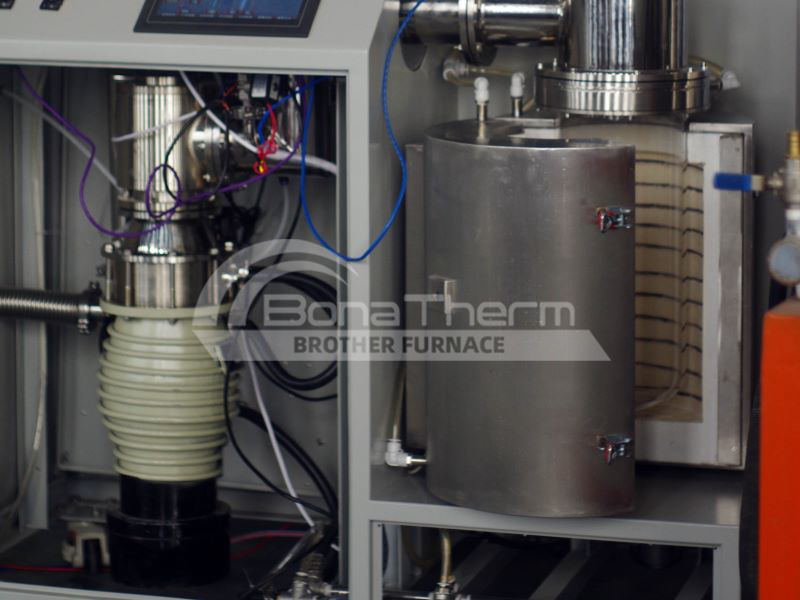
Post-Process Care: After the operation, the furnace interior—including shelves, hearth, and crucibles—should be cleaned with an appropriate solvent, such as alcohol, and thoroughly dried. Maintaining a vacuum in the chamber between runs is often beneficial.
Seal and Surface Care: Sealing surfaces and O-rings clean. A thin application of vacuum grease can be applied periodically to preserve O-ring elasticity. The furnace exterior should be wiped down regularly.
General Upkeep: Workpieces must be clean and dry before loading. Transmission components and moving parts should be lubricated according to the manufacturer’s schedule. Pumps, valves, and instruments require maintenance as outlined in the technical manual.
A critical reminder: the power supply must always be isolated and locked out before any maintenance is performed.
Following these operational and maintenance guidelines is the most effective strategy for ensuring the smooth, safe, and prolonged service of your vacuum furnace.
Looking for a vacuum furnace designed for reliability and easy maintenance? Explore Our Product Line to see models that simplify these best practices.”