What Are the Different Types of Vacuum Heat Treatment?
- By: Brother Furnace
- 2026-03-24 19:25
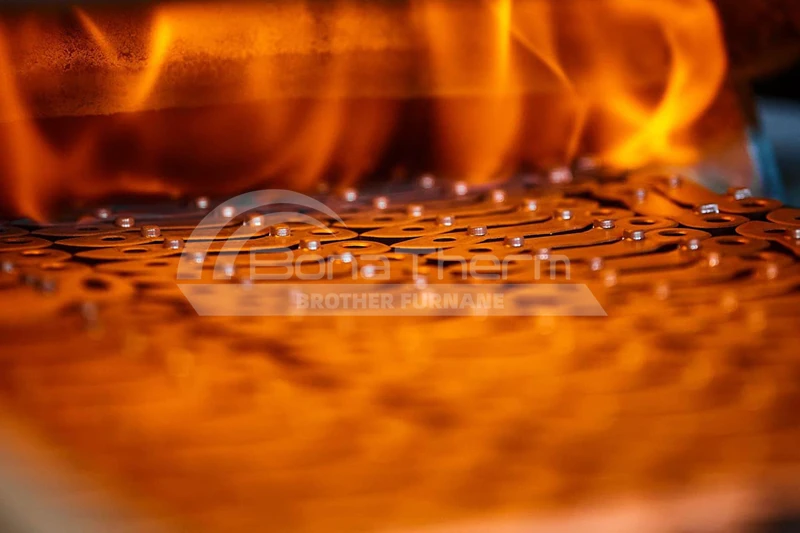
Vacuum heat treatment covers a variety of advanced thermal processing methods, all carried out in a strictly controlled vacuum atmosphere to optimize material performance.
By eliminating oxygen and other reactive gases, it effectively protects workpieces from oxidation, decarburization, and contamination, ensuring material purity and excellent mechanical properties for high-end components.
Let’s take a closer look at the core vacuum heat treatment processes, explore their unique advantages, and discuss the value they bring to different industrial applications.
Core Advantages of Vacuum Heat Treatment
Vacuum heat treatment’s unique operating principle provides distinct advantages over traditional heat treatment methods, making it the preferred choice for processing premium components.
Superior Material Purity
The vacuum environment isolates workpieces from oxygen, nitrogen, and other reactive gases, fundamentally preventing oxidation, decarburization, and surface contamination.
This preserves the original chemical composition and surface quality of materials, eliminating the need for post-processing such as grinding and polishing.
Precise Process Control
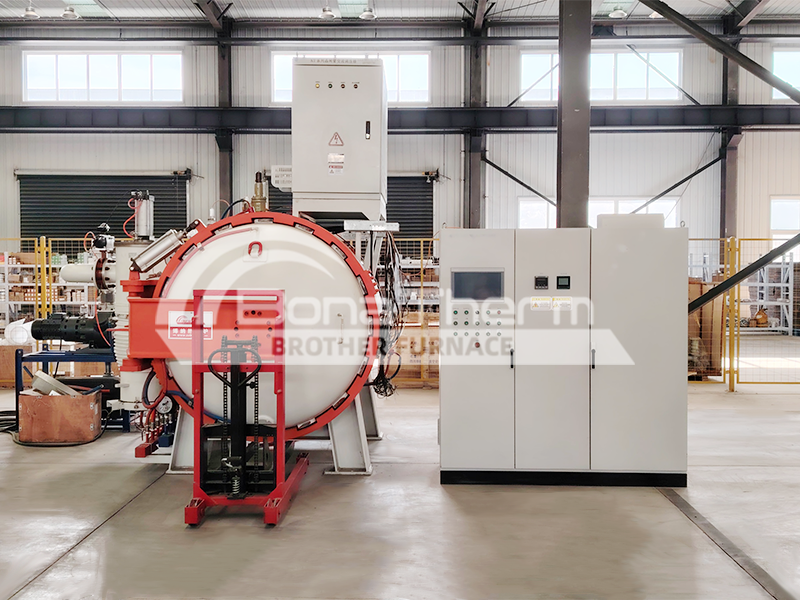
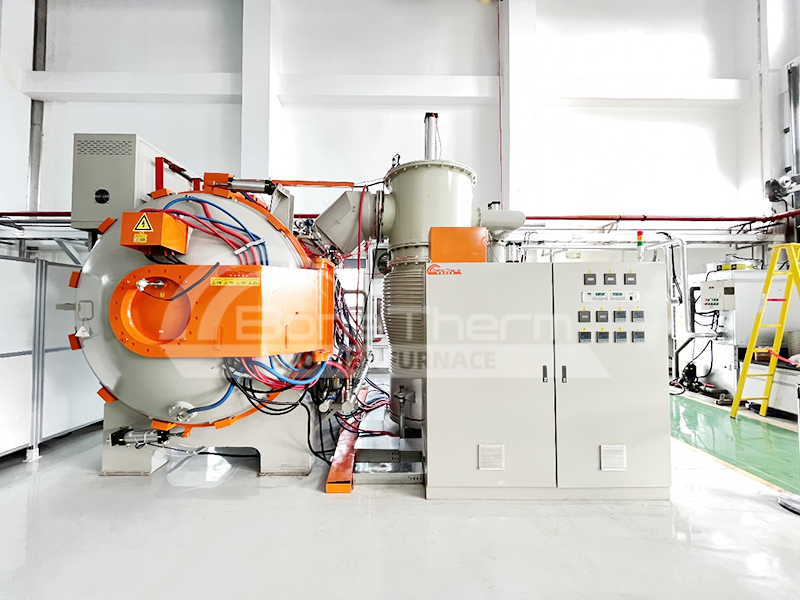
Advanced vacuum furnaces offer precise control of temperature, heating rate, cooling rate, and vacuum level.
This precision ensures consistent processing quality across batches, reducing workpiece deformation and improving dimensional accuracy—critical for high-precision components.
Energy Efficiency & Environmental Friendliness
Vacuum furnaces boast exceptional thermal insulation, slashing energy loss during heating to help you cut operational costs.
Better yet, the process produces zero harmful emissions or waste—helping you easily meet global environmental standards, cut carbon footprint by up to 20% compared to traditional heat treatment processes, and strengthen your green production credentials to gain a competitive edge in the market.
Key Vacuum Heat Treatment Processes
Our vacuum heat treatment processes are tailored to diverse material properties and industrial needs, delivering targeted performance enhancements with precision.
Hardness Enhancement Processes
Vacuum oil quenching and gas quenching are key processes for strengthening components. Quenching involves heating workpieces in an oxygen-free environment, followed by rapid cooling—gas quenching, in particular, is ideal for precision tools and molds.
Gas quenching’s adjustable cooling rates prevent cracks in large or complex parts, thereby ensuring dimensional accuracy.
Stress Relief & Performance Balancing
Vacuum annealing and tempering optimize material resilience. Annealing eases internal stresses in stainless steel, titanium alloys, and alloy steel via controlled heating/cooling, boosting toughness.
Tempering refines high-strength steels by eliminating quenching residues, balancing hardness and flexibility.
Sintering & Specialized Bonding
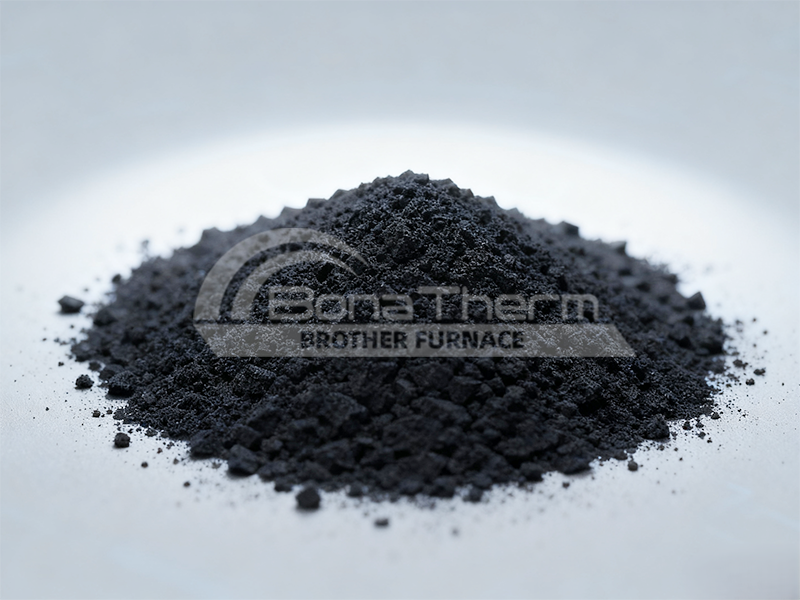
Vacuum sintering boosts surface and structural performance by converting metal powders into dense, high-strength solids—ideal for hard alloys and ceramics.
Brazing enables high-strength joining of dissimilar materials, complementing sintering’s role in forming dense solids for alloys and ceramics.
Industrial Applications
Vacuum heat treatment serves a wide range of high-end industries, enhancing the durability and reliability of core components.
Automotive & Aerospace
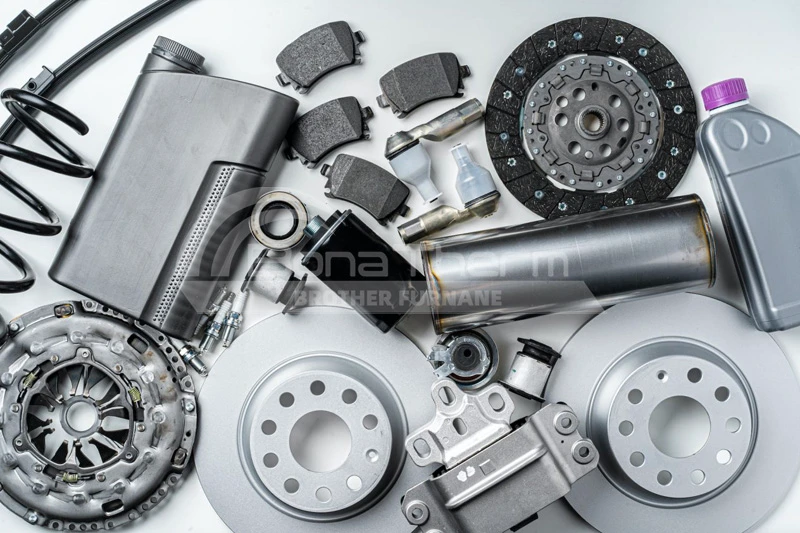
In the automotive industry, it enhances the wear resistance and service life of gears, bearings, and engine components.
In aerospace, it improves the reliability of high-stress components such as engine parts and transmission systems, ensuring performance under extreme conditions.
Machine Tool & Construction Machinery
It strengthens machine-tool guide rails and fixtures, thereby maintaining precision and longevity.
For construction machinery, it boosts the durability of transmission parts in excavators and bulldozers, reducing maintenance costs.
In addition to these sectors, it is also widely used in precision instrument manufacturing, where component accuracy and stability are paramount.
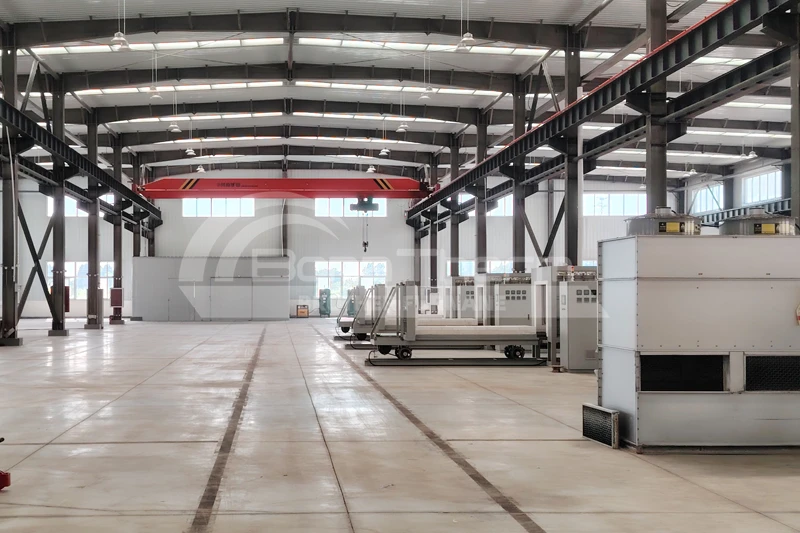
Whether for automotive, aerospace, machinery, or precision instrument applications, our vacuum heat treatment solutions deliver consistent, reliable results tailored to your specific needs.
Contact us to explore how we can support your production goals.