6 Must-Know Rules for Running a Vacuum Furnace
- By: Brother Furnace
- 2026-04-03 01:06
A detailed instruction manual for a vacuum equipment will usually tell you how to use the buttons. But today I’ll tell you how to avoid those problems—and how to prevent thousands of dollars’ worth of parts from being ruined by someone’s laziness.
For example, abnormally high temperatures causing furnace deformation; neglecting seals leading to a 36-hour downtime; the panic when the vacuum pump makes a clicking sound, etc. In short, all sorts of maintenance issues require attention during use.
Your vacuum furnace isn’t a kitchen oven. It’s a delicate and reliable partner. Take good care of it, and it will be your dependable assistant.
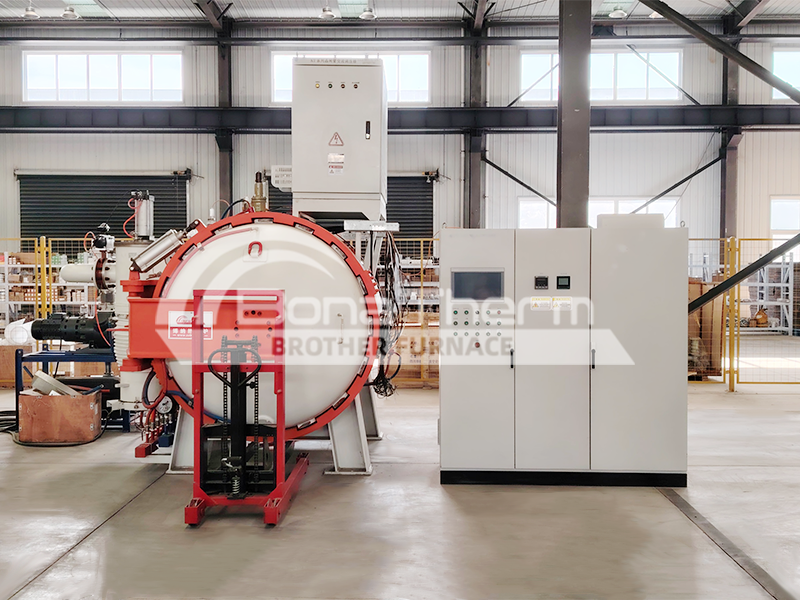
1. The 10-Minute Pre-Run Check: Your Best Insurance Policy
It is necessary to take a ten-minute pre-run check. Spending a few minutes walking around the furnace can identify 90% of common problems.
First, focus on checking the seals and the vacuum pump. Check the chamber door and flange seals for cracks, wear, or debris. Listen to the vacuum pump carefully; any unusual noises indicate a malfunction.
Second, make leak checking a habit. Before use, quickly perform a pressure holding test or use a leak detector to check the vacuum level. If any signs of leakage are found or the pump is operating with difficulty, stop operation immediately. Contact a professional technician for equipment repair.
2. Preheating is also a necessary step
Generally speaking, rapid heating can save time and costs. For high-precision vacuum equipment, a fast heating rate is a key advantage for many users.
However, heating high-density workpieces at high temperatures often leads to thermal stress, which can cause deformation, cracks, or internal stress, ultimately weakening the part’s strength.
The principle is simple: the preheating temperature must be appropriate for the workpiece being processed. For example, precision titanium alloy aerospace parts require a gentler, slower heating process than robust steel molds.
Spending an extra half hour on preheating is far more cost-effective than starting over if something goes wrong. This step involves attention not only to the equipment used but also to the materials being processed.
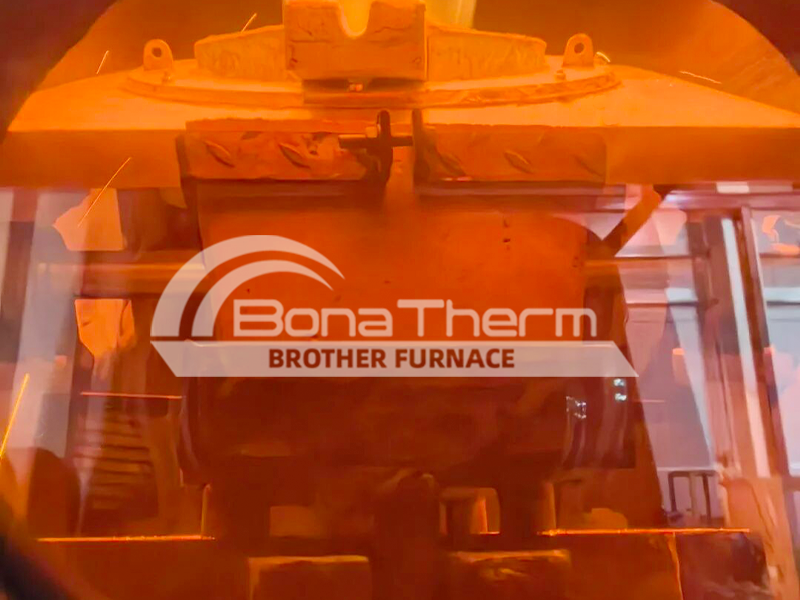
3. Be Patient with Temperature Control
This is similar to what was mentioned earlier. You can think of temperature control as climbing a mountain. Reaching the summit requires choosing a stable, controllable path.
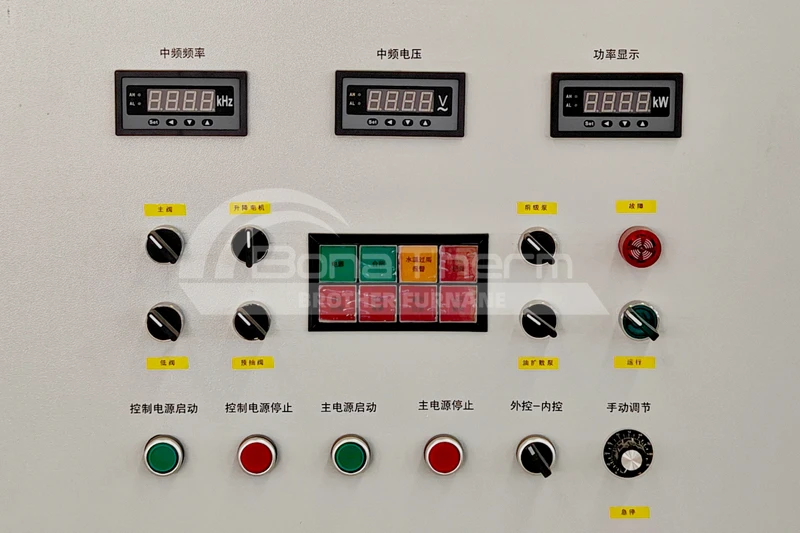
The same applies to our vacuum furnaces. Our products maintain temperature uniformity within ±5°C; drastic fluctuations in the heating rate can cause damage.
Besides temperature control, system control is also crucial. Different materials require different control parameters, and the required temperatures and times vary.
If the specification calls for a 10°C increase per minute, don’t set it to 15°C to pursue speed. This is about stability. It stems from patience. Let your furnace complete its work at the predetermined rate and standard.
4. Always prioritize your personal safety
This point must be emphasized again: vacuum furnaces handle materials in extreme temperatures and confined environments.
Therefore, basic measures are crucial for workers:
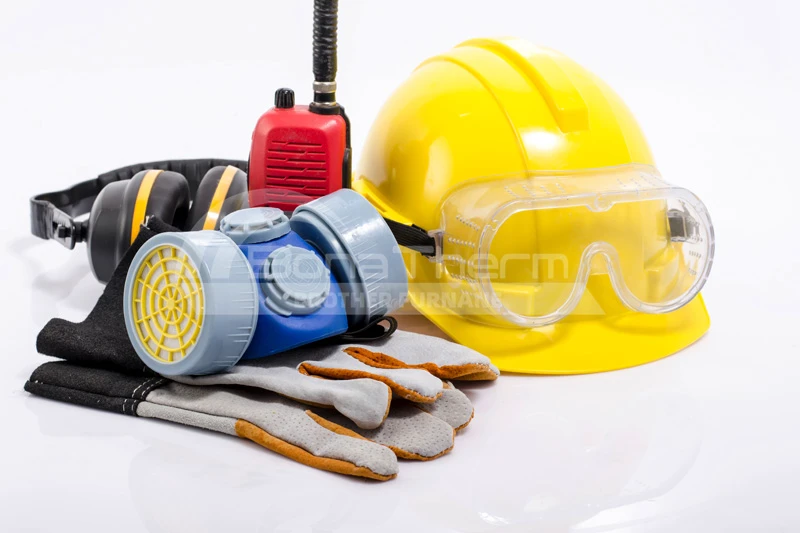
Protective Equipment: Heat-resistant gloves, full-face masks, and appropriate protective clothing are standard.
Emergency Stop Button: The emergency stop button is usually red and located in a very visible position on the furnace shell. This allows for easy stopping during operation, preventing accidents.
Open Area: Do not pile up debris around the furnace, especially when the equipment is operating. The area around the emergency stop button should always be kept clear to prepare for emergencies.
5. Perform Regular, Periodic Maintenance
Seals, vacuum pumps, and furnace linings are components that require regular maintenance. Frequent replacement is not necessary and can be determined based on usage conditions.
For example, considering the integrity of seals and the condition of the furnace lining, critical seals can be replaced every 6 to 12 months. This is just a suggestion. Electrical connections should also be checked every few months for signs of arcing or corrosion.
In fact, with careful daily use, large-scale component replacements will be infrequent.
6. Record all information
Just like keeping a daily journal, a detailed operation log is absolutely your best tool for troubleshooting.
For each use, record the start and end times, setpoints, temperature profiles, vacuum pressure, etc.
By recording and comparing, you can identify anomalies, such as “the chamber door took two attempts to seal” or “an unusual sound was heard at 850°C.”
If the material processed in a particular instance is not ideal, this log can help you trace the root cause of the problem.
Using a vacuum furnace effectively is actually quite simple. These are just a few suggestions we’ve provided, and we hope they will be helpful in your use and operation.
If you have further technical discussions or equipment selection advice, contact us now!