
Email Us
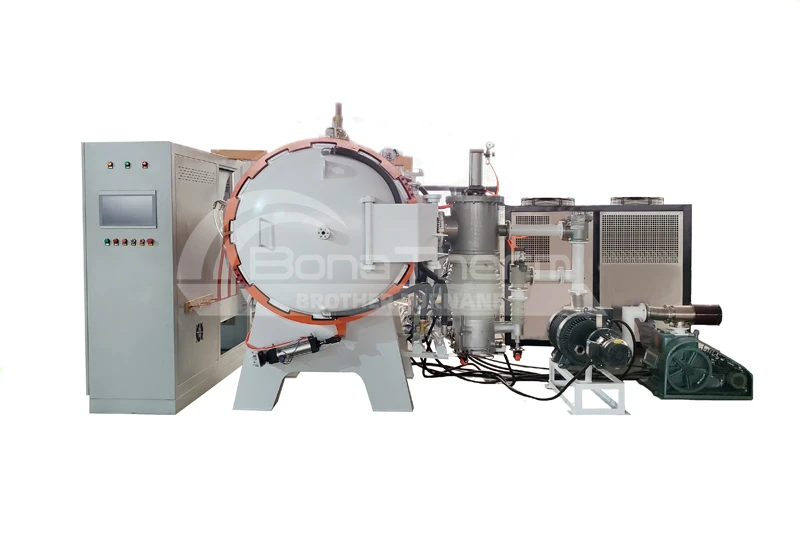
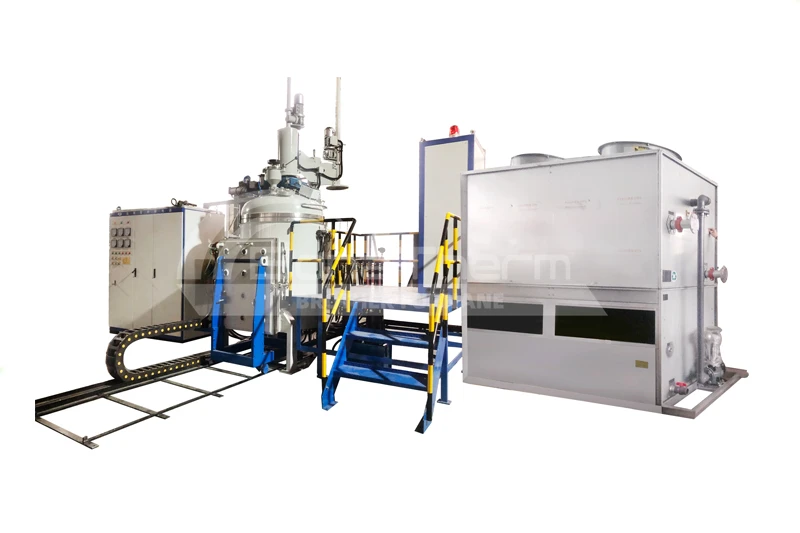
Vacuum Brazing Furnace
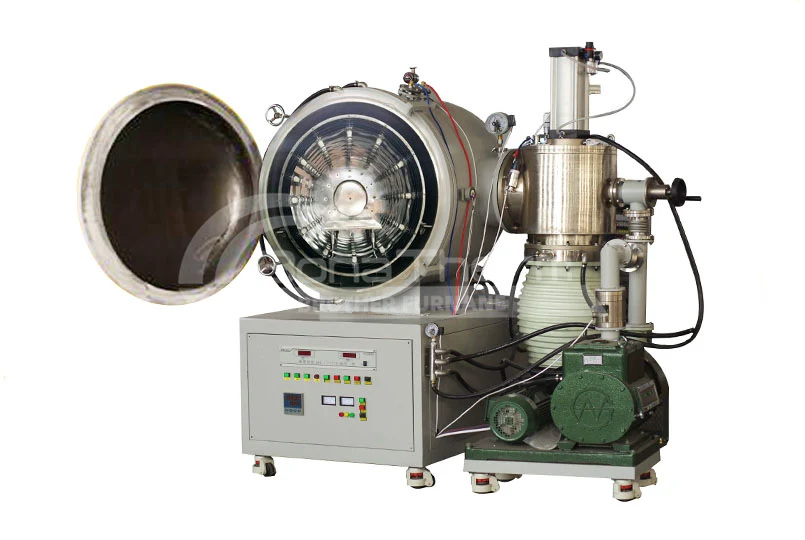
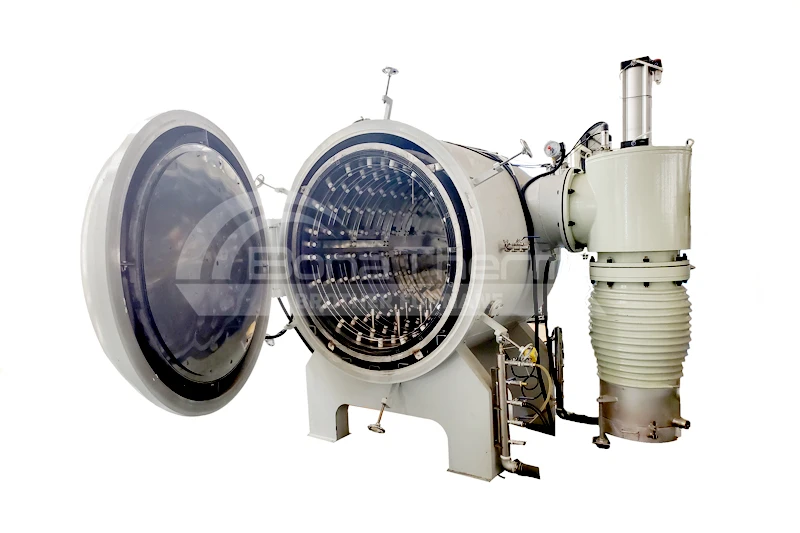
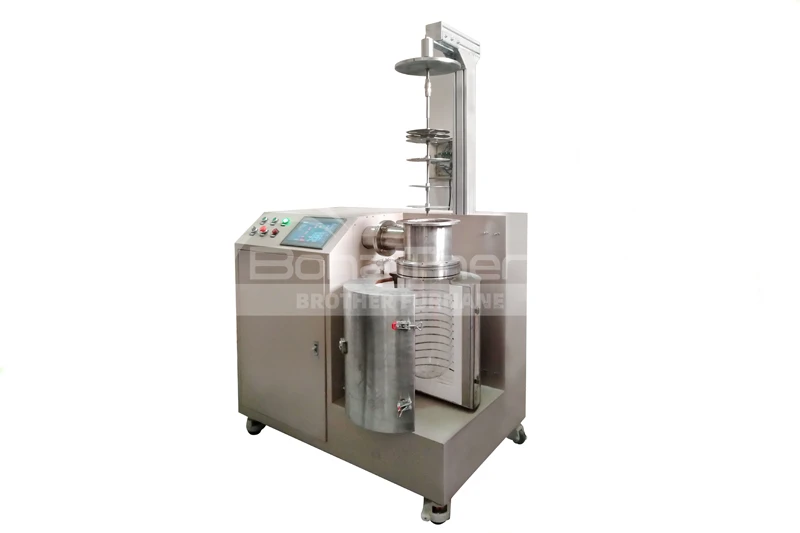
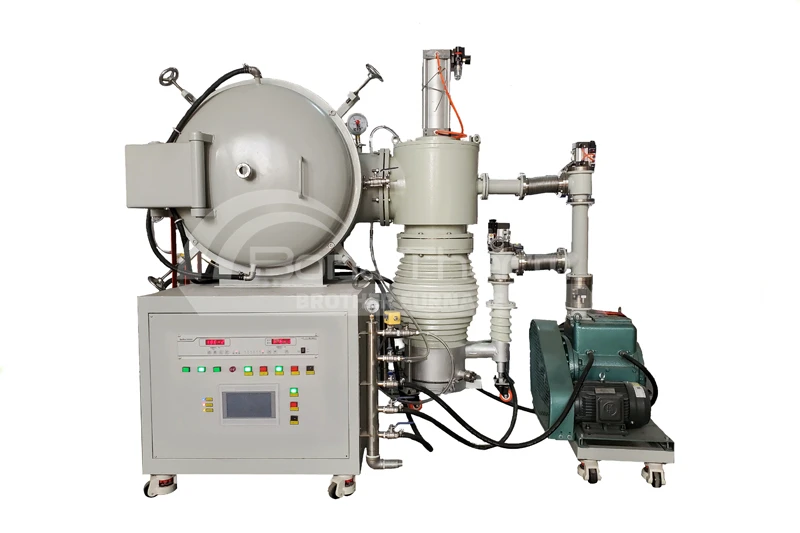
Brother's vacuum brazing furnace is the core equipment for achieving high vacuum, high temperature, high precision, pollution-free and oxidation-free brazing. It is equipped with a controllable low pressure and insulation system, and can braze metals, ceramics and other materials. It is very suitable for applications with high standards and high requirements.
Brother Furnace
Sinterable materials of Vacuum Brazing Furnace
Aiming at the characteristics of various materials, the core advantage of the product is its compatible processing:
-

Metal Materials
Aluminum, Copper, Zinc Alloys Stainless Steel, High-Temperature Alloys, Tool Steel, Low-Carbon Steel.
-

Ceramic Materials
Aluminum Oxide, Zirconium Oxide, Aluminum Nitride, Silicon Carbide.
-

Metal-Based Composites
Aluminum-Based Silicon Carbide Composites, Copper-Based Graphite Composites.
-

Non-Metal and Metal Combinations
Quartz Glass and Stainless Steel, Carbon Fiber Composites and Titanium Alloys.
Brother Furnace
Chamber comparison of vacuum brazing furnace
Choose chambers with different thermal field materials
-

Heat-resistant Steel Chamber
-
Working Temperature
750°C
-
Sinterable Materials
Copper-based alloys, Aluminum alloys, Low-melting-point metal powders (Tin, Lead), Magnetic alloys (NdFeB)
-
Advantages&Features
Low temperature sintering has low power, low price, economical and practical
-
-

Molybdenum Foil Chamber
-
Working Temperature
1350°C
-
Sinterable Materials
High-temperature alloys (Nickel-based/Cobalt-based), Silicon Carbide (SiC) Ceramics, Silicon Nitride (Si₃N₄) Ceramics, High-purity metals (Tantalum, Niobium)
-
Advantages&Features
High strength at elevated temperatures, no pollution.
-
Brother Furnace
Vacuum Brazing Furnace Application
Vacuum brazing furnaces can cover multiple fields and demonstrate their cross-industry adaptability and practical value:
-

Aerospace Industry
Used for brazing engine turbine blades, combustion chambers, aircraft titanium alloy frames, and fuel lines, ensuring component sealing and structural stability under high-temperature and high-pressure conditions.
-

Medical Device Industry
Manufacturing titanium alloy probes for medical instruments, diagnostic equipment, and artificial joint connectors, meeting medical-grade cleanliness and disinfection and corrosion resistance requirements.
-

Automotive Manufacturing Industry
Suitable for brazing copper wires and terminals, and aluminum alloy piping for thermal management systems, contributing to lightweighting and efficient transmission.
-

Tool Industry
Brazing carbide tools and heat-resistant alloy modules for hot-working dies improves tool cutting performance and die life.
-

Railway Transit Industry
Processing copper alloy components for train traction systems and stainless steel connectors for brake systems, ensuring component durability under high-frequency vibration and complex environments.