
Email Us
Vacuum Sintering Furnace
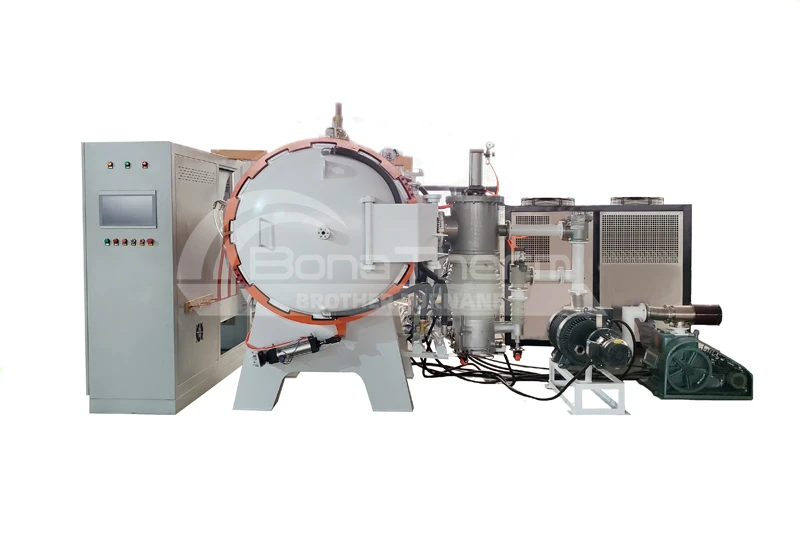
Brother Furnace's Vacuum Sintering Furnace provide you with precise temperature control and a clean, oxygen-free environment, ensuring high-quality results for advanced materials processing and research applications.
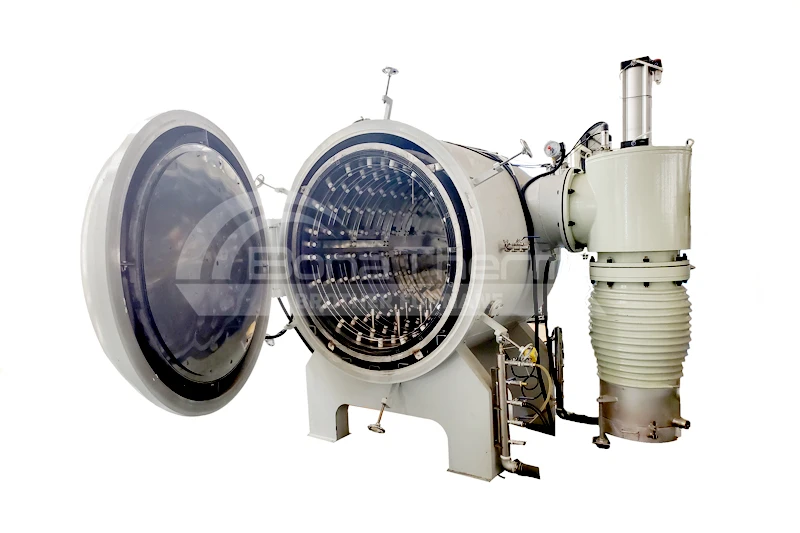
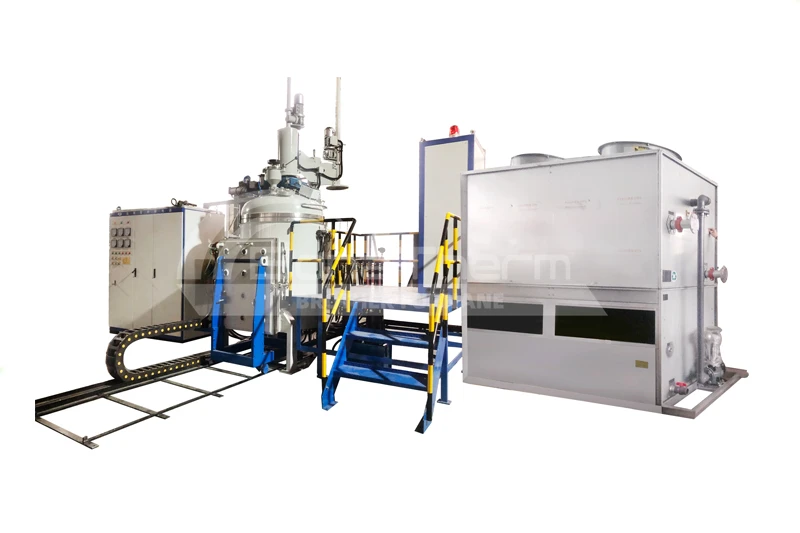
Vacuum sintering equipments are economical vacuum processing equipment. We offer a diverse and efficient product line to meet diverse applications and needs. The furnaces feature a compact design, easy operation, and excellent vacuum performance with uniform temperature distribution. They are suitable for high-temperature vacuum brazing and soldering of ceramics, metal composites, and alloys, and are widely used in a wide range of applications.
From vacuum sintering furnaces, vacuum atmosphere sintering furnaces, to graphite vacuum furnaces, our range includes models. Heating elements include resistance wire, silicon-molybdenum rods, and graphite rods. Temperature ranges include 750°C to 2300°C. These vacuum sintering services meet diverse needs in research and production.
-
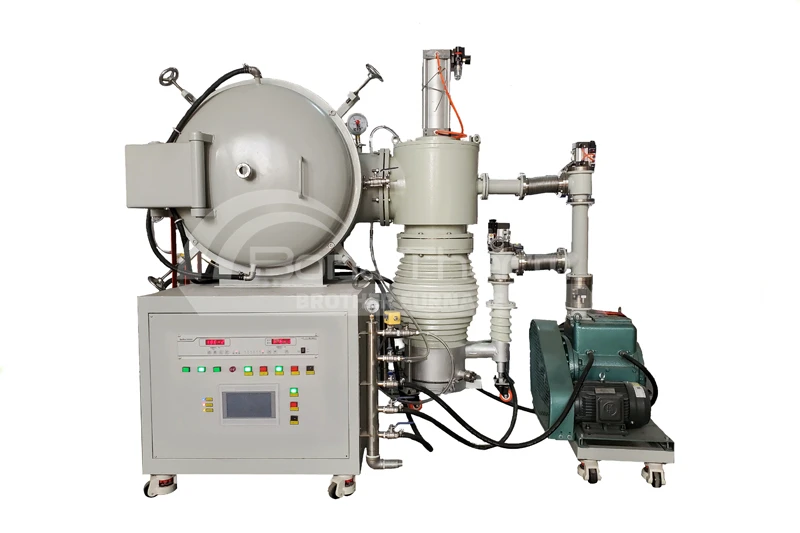
Vacuum Sintering Furnace(Ceramic Fiber Thermal Field)
More details -

Vacuum Atmosphere Sintering Furnace
More details -
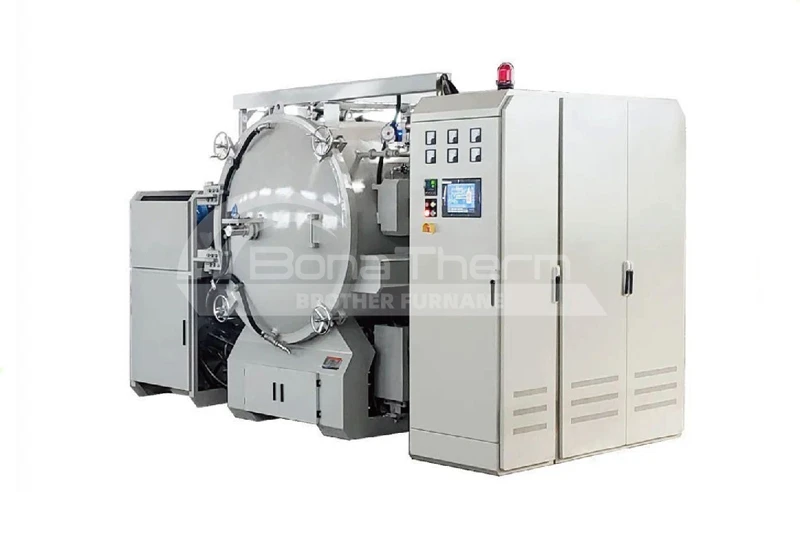
Vacuum Debinding And Sintering Furnace
More details -
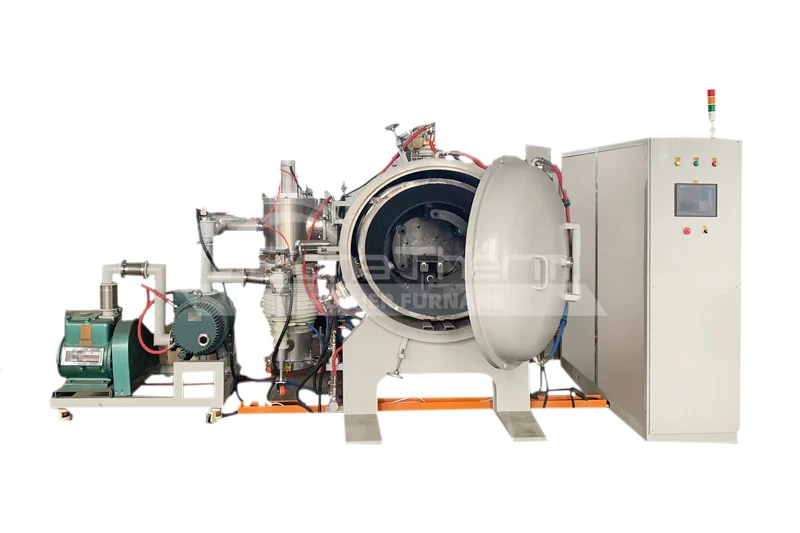
Vacuum Graphite Furnace
More details -
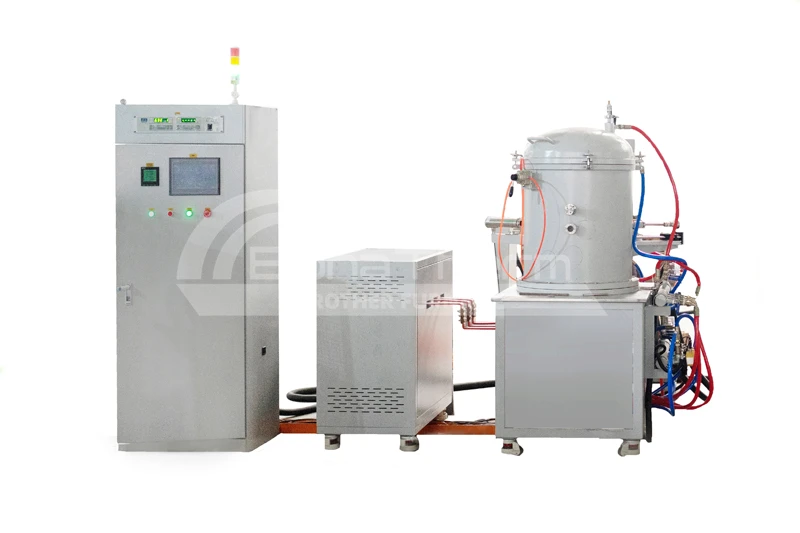
Vacuum Graphite Carbon Tube Furnace
More details -
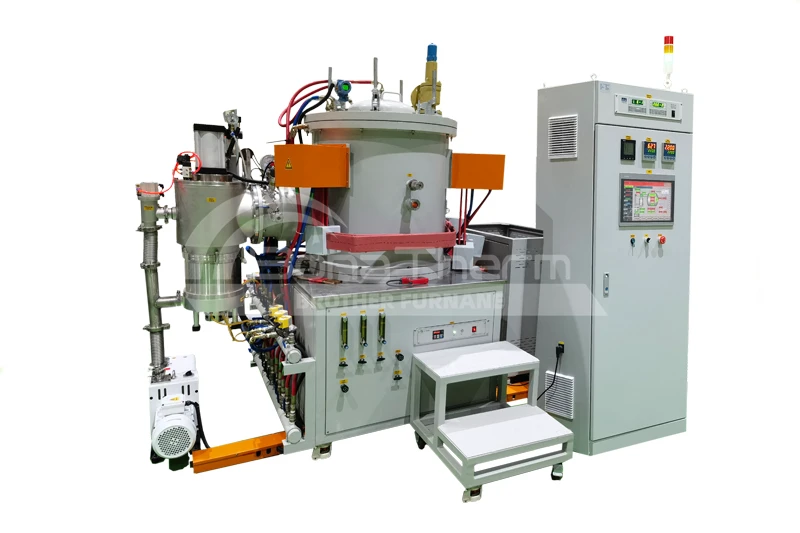
Vacuum Tungsten Furnace
More details -
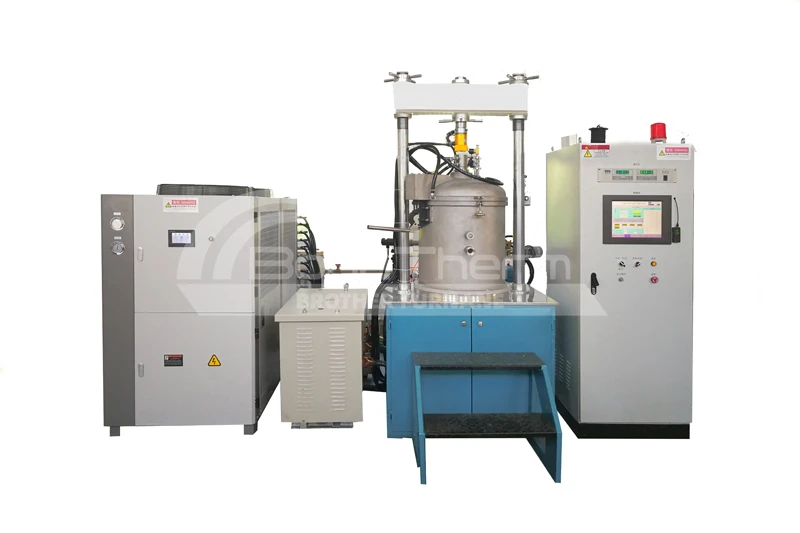
Vacuum Hot-Press Sintering Furnace
More details
Brother Furnace
vacuum sintering furnace Application
Our vacuum sintering products are mainly used in the following fields
-

Powder Metallurgy Industry
This is a key piece of equipment for powder metallurgy parts molding, primarily used to compact metal powders and then achieve particle bonding and densification through vacuum sintering.
-

Aerospace and High-End Equipment
This meets the precision sintering needs of high-end alloy components, particularly for processing high-temperature-resistant, high-strength materials.
-

Cemented Carbide and Superhard Tools
This is a core piece of equipment for the tool and mold industry, used for sintering cemented carbide and superhard composite materials.
-

Electronics and New Energy
This focuses on the precision sintering of functional materials to ensure the performance stability of electronic components and new energy modules.
Brother Furnace
Sinterable materials of vacuum sintering furnace
The following are the materials that can be processed and their classification
-

Metal and Alloy Materials
Metal Powders for Powder Metallurgy:Iron-based (such as carbon steel, alloy steel powder), copper-based (copper, copper alloy powder), stainless steel (304/316L powder).
-

Cemented Carbide and Super hard Materials
Cemented carbide:tungsten carbide,cobalt (Co),titanium carbide (TiC),nickel alloys.
Superhard composite materials:diamond-metal matrix composites (such as diamond saw blade substrates).
-

Ceramic materials
Alumina (Al₂O₃), silicon nitride (Si₃N₄), silicon carbide (SiC) ceramics.
-

Other metal composites materials
Aluminum-based silicon carbide (Al-SiC), titanium-based carbon fiber composites.
Brother Furnace
Chamber Comparison
of vacuum sintering furnaces
Choose chambers with different thermal field materials
-

Ceramic Fiber Chamber
-
Working Temperature
1200°C/1700°C
-
Sinterable Materials
Ceramic materials, ceramic composites, refractory metals
-
Advantages&Features
High cost performance and excellent vacuum effect High strength at high temperatures,no pollution
-
-

Molybdenum Foil Chamber
-
Working Temperature
1350°C
-
Sinterable Materials
High-temperature alloys (Nickel-based/Cobalt-based), Silicon Carbide (SiC) Ceramics, Silicon Nitride (Si₃N₄) Ceramics, High-purity metals (Tantalum, Niobium).
-
Advantages&Features
High strength at elevated temperatures, no pollution.
-
-

Graphite Chamber
-
Working Temperature
1800°C/2200°C
-
Sinterable Materials
Tungsten Carbide (WC), Titanium Carbide (TiC), Graphene Composites, Carbon-Carbon (C/C) Composites.
-
Advantages&Features
Ultra-high temperature, cost-effective, thermal shock resistant.
-
-

Heat-resistant Steel Chamber
-
Working Temperature
750°C
-
Sinterable Materials
Copper-based alloys, Aluminum alloys, Low-melting-point metal powders (Tin, Lead), Magnetic alloys (NdFeB).
-
Advantages&Features
Low temperature sintering has low power, low price, economical and practical.
-
-

Tungsten Wire Mesh Chamber
-
Working Temperature
2300°C
-
Sinterable Materials
High purity ceramics, zirconium oxide
-
Advantages&Features
Ultra-high temperature, clean and pollution-free.
-