How Do Vacuum Brazing Furnaces Work?
- By: Brother Furnace
- 2026-03-04 00:50
What Is a Vacuum Brazing Furnace?
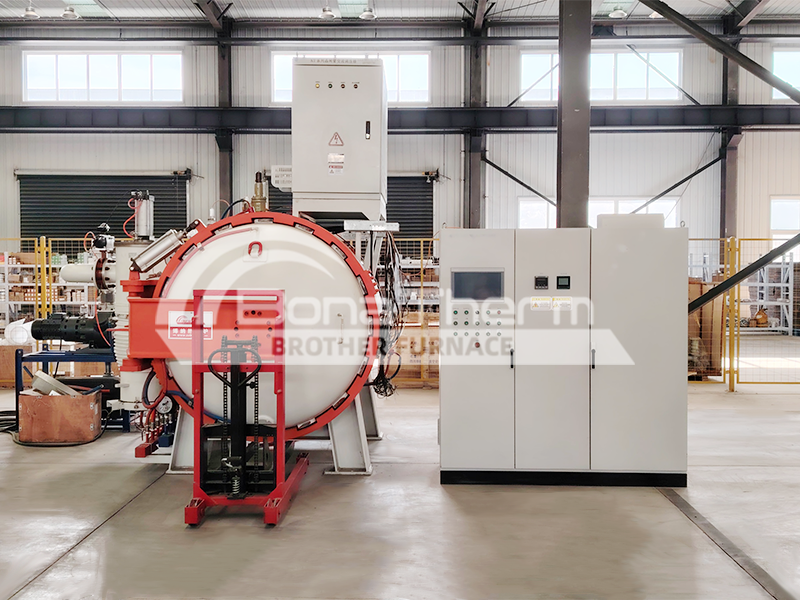
A vacuum brazing furnace is a specialized high-temperature system used to bond metal parts through vacuum brazing.
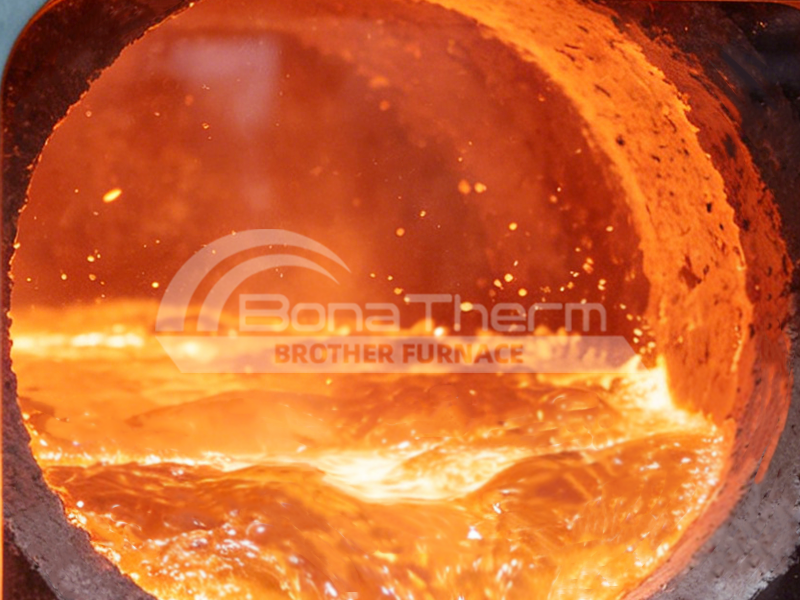
By processing materials inside a tightly controlled high-vacuum environment, it heats both the metal workpieces and the brazing filler metal until the filler melts, flows evenly into the joint gaps, and then solidifies to form strong, clean metallurgical bonds.
This method eliminates oxidation and surface contamination, resulting in higher-quality joints compared to traditional atmospheric brazing. It is particularly well-suited for aluminum brazing applications where clean, corrosion-resistant, and high-integrity bonds are essential.

Core Working Process of Vacuum Brazing Furnaces
The vacuum brazing process follows a carefully controlled sequence of steps, each playing a vital role in delivering strong, reliable joints when combined with integrated vacuum heat treatment.
Preparation: Start by thoroughly cleaning both the workpieces and brazing fillers to eliminate oil, rust, and surface contaminants—any impurities can weaken the final bond. Place the fillers and components in the correct position inside the furnace chamber, then securely close and seal the door to maintain vacuum integrity.
Vacuum Creation: Turn on the vacuum pumping system to remove air and moisture from the chamber, creating a near oxygen‑free atmosphere. This eliminates oxidation during heating and allows the filler metal to flow cleanly and evenly, a major benefit compared to traditional gas‑shielded brazing methods.
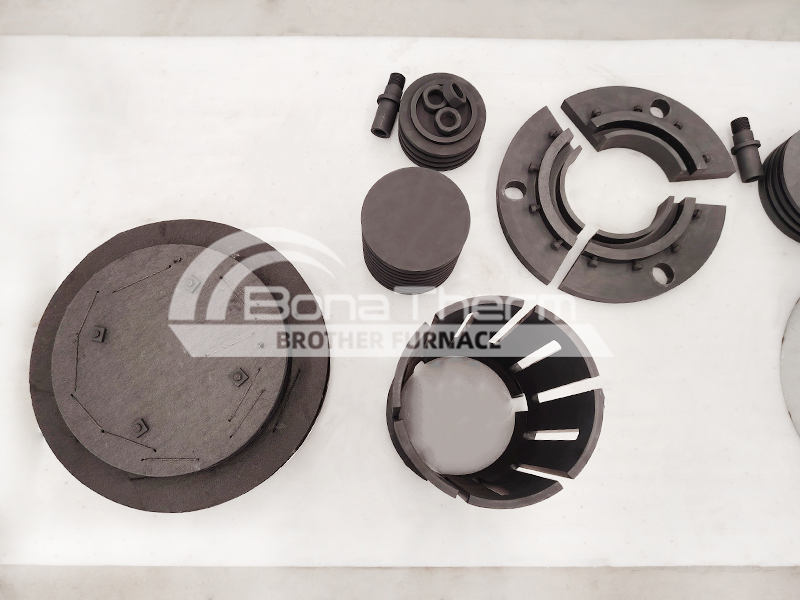
Controlled Heating: The furnace’s resistance heating elements gradually raise the temperature to match the melting point of the brazing filler. Molybdenum vacuum brazing furnaces are especially effective here, providing stable, uniform thermal fields for high‑precision applications. Strict temperature and vacuum control prevent uneven bonding and ensure consistent heat distribution across the workpiece.
Cooling & Solidification: Once brazing is complete, the furnace begins a gradual, controlled cooling cycle. As the filler metal solidifies, it forms a durable, high‑strength bond. Slow, controlled cooling also reduces thermal stress, helps prevent cracking, and preserves the mechanical properties of the base materials.
Final Inspection: After the assembly has cooled to a safe handling temperature, remove the workpiece for quality evaluation. This typically includes joint strength testing and impurity analysis. The process is considered complete only when the bonded component meets all required precision and performance standards.
Key Application Industries
Thanks to its ability to create high-integrity, clean, and stable metal bonds, vacuum brazing technology is widely used across industries that demand precision joining and strict quality control:
Aerospace: It is used to weld aircraft engines, spacecraft components, and other critical parts, where reliability and precision are essential. High-temperature vacuum brazing ensures performance even under extreme operating conditions.
Automotive: It bonds engine parts, chassis components, and body structures, improving strength, durability, and corrosion resistance with automotive-grade brazing materials.
Electronics & Medical: It is widely applied in semiconductors, surgical instruments, and medical implants, where ultra-clean, dimensionally precise, and contamination-free joints are required.
Petrochemical & Metal Processing: It provides reliable joining for high-temperature and corrosion-resistant parts, as well as aluminum workpieces, using specialized corrosion-resistant brazing alloys and customized aluminum vacuum brazing solutions.
How to Choose the Right Vacuum Brazing Furnace?
Selecting the ideal furnace depends on your specific needs. Focus on these key factors for optimal brazing results:
Material Compatibility: Choose furnaces tailored to your materials, such as stainless steel, aluminum, or titanium, and matching brazing filler alloys.
Chamber Size & Temperature: Ensure the chamber fits your workpieces, and the maximum temperature matches your filler’s melting point—molybdenum thermal field brazing furnaces offer exceptional high-temperature stability, while vacuum cutting tool brazing furnaces are designed for compact, precision tool joints.
Vacuum Level & Chamber Material: Opt for higher vacuum degrees for premium results; chamber materials should withstand high temperatures and maintain vacuum tightness.
Cost & After-Sales: Balance budget and quality, and prioritize suppliers that offer easy maintenance and reliable after-sales service for industrial vacuum furnaces.

Brother Furnace’s Vacuum Brazing Solutions
Since 2008, Brother Furnace has been a trusted manufacturer of high-temperature industrial furnaces. We deliver more than 1,000 models of vacuum brazing furnaces to customers worldwide, with rich experience in custom-built vacuum brazing solutions.
Our product range includes heat-resistant steel thermal field vacuum brazing furnaces, molybdenum thermal field vacuum brazing furnaces, and vacuum brazing furnaces for cutting tools, designed to meet the demands of a wide variety of industrial applications.
Looking for a customized brazing solution or professional guidance on choosing the right furnace? Simply leave us your requirements through our inquiry form. Our team will get back to you within one hour and help you find the most suitable vacuum brazing system for your project.