Vacuum Furnace Heating Methods: A Practical Guide to Resistive and Inductive Heating
- By: Brother Furnace
- 2025-11-24 18:41
As the core of vacuum furnaces, the heating system directly determines temperature control accuracy, process adaptability, and energy efficiency. Resistive heating and inductive heating are the two mainstream technologies in the industry.
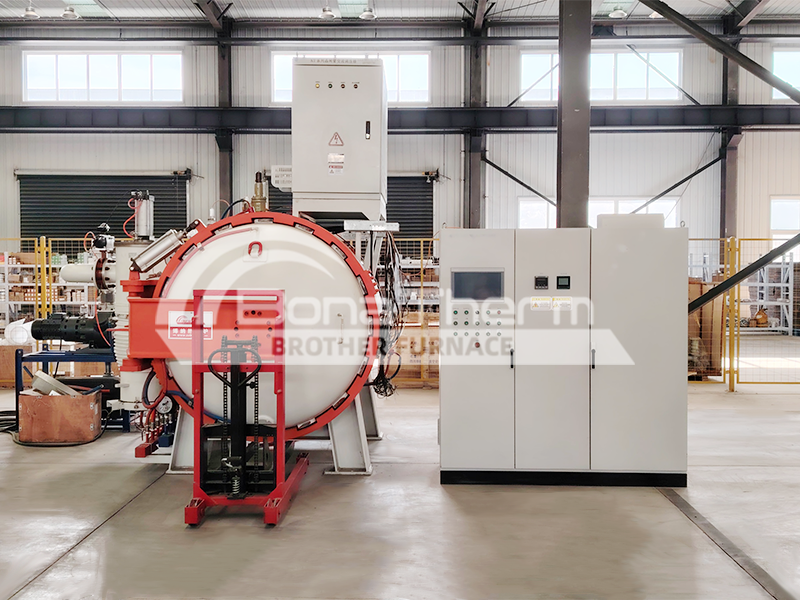
As a professional vacuum furnace R&D enterprise, we have integrated both into our product portfolio to address diverse industrial needs.
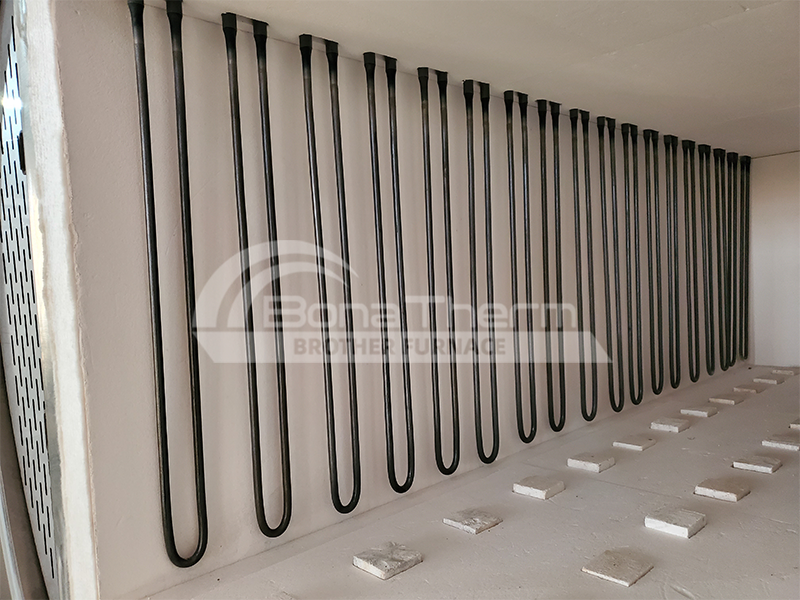
1. Resistive Heating: A Widely Used Basic Heating Method
1.1 Energy Conversion Principle Based on Joule's Law
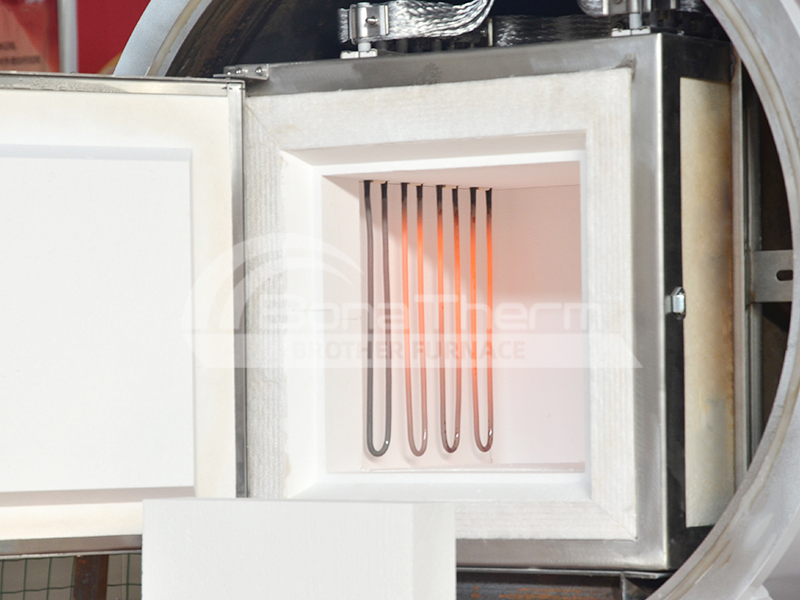
Resistance heating is one of the most common heating methods in vacuum furnaces. Its principle is based on Joule’s law:
When an electric current passes through a conductor's resistance, heat energy is generated and transferred to the workpiece as radiation.
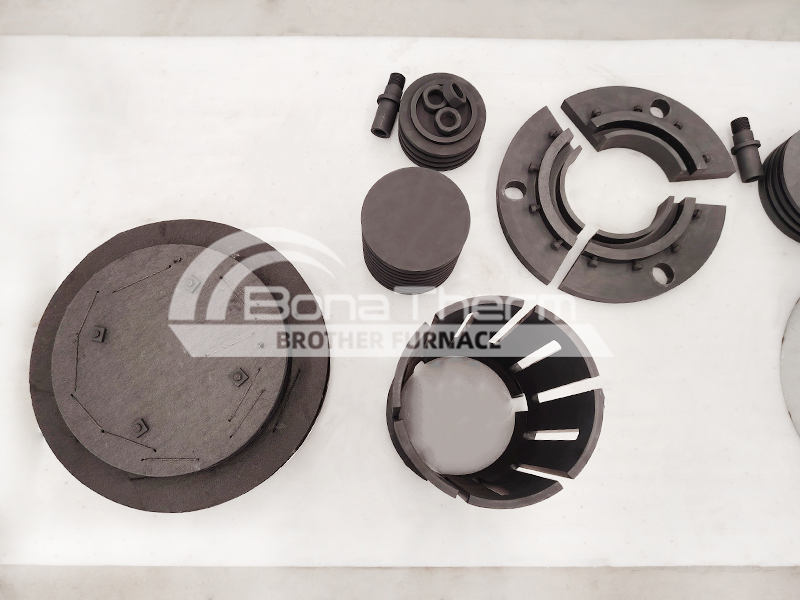
Depending on different temperature requirements and process characteristics, we also equip our vacuum furnaces with various types of resistance heating elements.
1.2 Full-Temperature Range Component Selection and Corresponding Application Scenarios
For applications in the medium- and low-temperature ranges, our standard vacuum heat treatment furnaces use flexible, cost-effective resistance wires. Their multi-zone configuration ensures uniform temperature, ideal for metal annealing and aging.
Medium and high-temperature vacuum sintering furnaces employ high-temperature-resistant silicon carbide or molybdenum disilicide rods. These semiconductor elements enable precise temperature control, making them ideal for sintering alumina and silicon nitride ceramics.
High-temperature purification graphite furnaces use graphite rods or high-purity molybdenum strips. Their excellent thermal stability and low volatility protect sensitive materials, such as titanium alloys and optical glass, in harsh vacuum environments.
1.3 Three Core Advantages for Multi-Scenario Adaptation
Resistive heating is widely used in Brother Furnace’s products, with its core advantages reflected in three aspects:
First, high temperature control accuracy. The temperature difference inside the furnace can be controlled to within ±5℃ using the PID temperature control system, meeting the processing requirements for precision parts.
Second, a wide adaptation range. From small laboratory furnaces to large industrial furnaces, efficient heating can be achieved in combined components.
Third, convenient maintenance. The replacement cost of resistive elements is low, and only regular inspection of terminal blocks is necessary during daily use to ensure stable operation.
2. Inductive Heating: An Efficient Heating Solution for Special Processes
2.1 Efficient Heating Principle of Eddy Current Heating
Induction heating is another special heating technology.
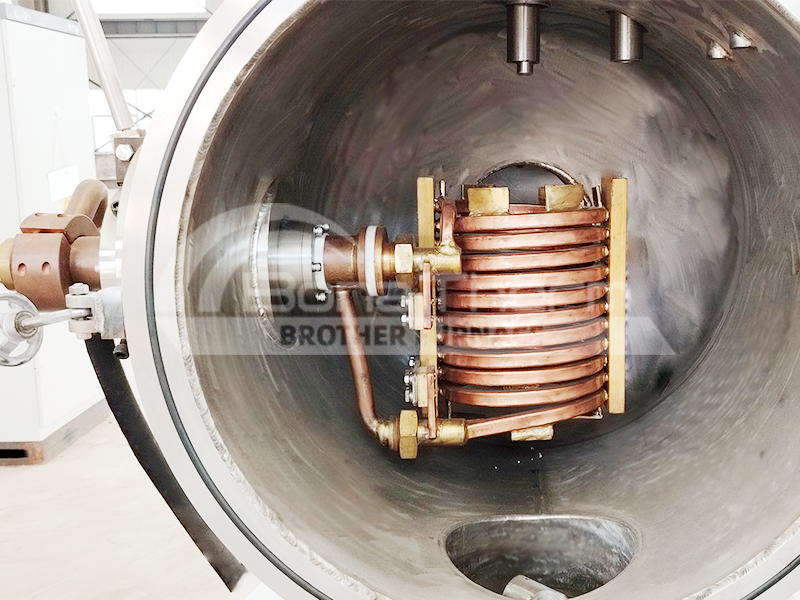
Its principle is as follows: when alternating current generates an electromagnetic field, the field induces eddy currents inside the workpiece. These eddy currents generate heat, thereby raising the temperature of the workpiece.
Our induction heating vacuum melting furnaces are equipped with IGBT intermediate-frequency power supplies, featuring induction coils wound with copper tubes as core components.
The maximum heating temperature can reach 2300℃, which is mainly suitable for processes such as metal melting and brazing.
2.2 Typical Application Scenarios and Unique Technical Features
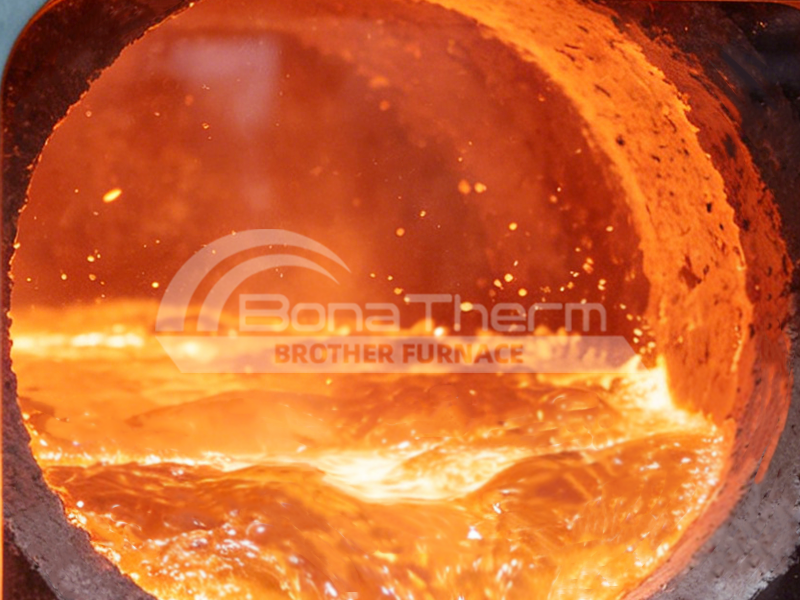
In precious metal melting, the advantages of inductive vacuum melting furnaces are particularly prominent: eddy current heating does not require direct contact with the workpiece, avoiding component contamination and ensuring the purity of precious metals such as gold, silver, and platinum.
The heating rate is more than 30% faster than that of vacuum sintering furnaces, and the melting and casting of small-batch metals can be completed within 10 minutes, effectively improving production efficiency.
In brazing titanium alloy components for aerospace applications, the localized heating characteristics of induction heating allow for precise temperature control of the heating area, preventing overall temperature rise from affecting the original mechanical properties of the component.
While resistance heating cannot completely replace this characteristic, there is no absolute superiority or inferiority between resistance heating and induction heating; each has its advantages and is suitable for different process requirements.
3. Selection Guide: Meeting Requirements is the Core Principle
Resistance heating, characterized by its high stability, wide applicability, and low cost, is the preferred choice for general applications, covering over 70% of our product line.
For high-volume production scenarios such as ceramic sintering and conventional metal heat treatment, resistance heating vacuum furnaces are favored due to their superior cost-effectiveness.
Induction heating, with its advantages of high efficiency, cleanliness, and localized heating, is primarily used in high-end, specialized processes
When it comes to needs such as melting precious metals and precision brazing, inductive heating models better meet the technical requirements.
4. Core Tenet: Providing Suitable Solutions Focused on Customer
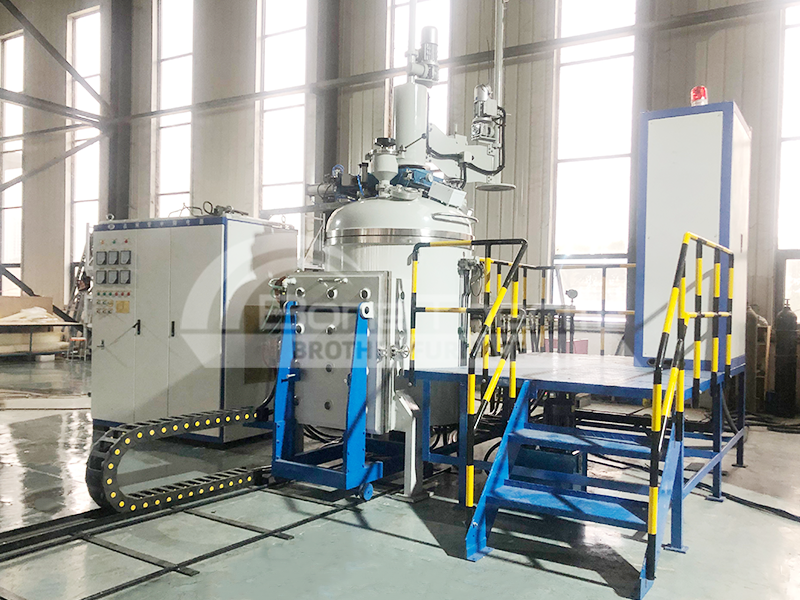
The iteration of vacuum furnace heating solutions has consistently prioritized “precise temperature control and process adaptation” as its core goal, aiming to meet the actual production needs of customers.
Through the mature application and optimization of these two heating methods, Brother Furnace offers a range of vacuum furnace solutions tailored to customers across various industries, ensuring that production needs in diverse scenarios are accurately met. This is also the core value.