Exploring Vacuum Furnaces: Technological Marvels in Modern Industry
- By: Brother Furnace
- 2026-03-09 02:26
As a cornerstone of modern precision manufacturing, the vacuum furnace operates in a gas-free or low-gas environment, thereby avoiding air contamination of materials.
They are widely used in high-precision fields, including advanced materials research, metal processing, semiconductor manufacturing, glass processing, aerospace, and medicine, particularly for vacuum heat treatment processes.
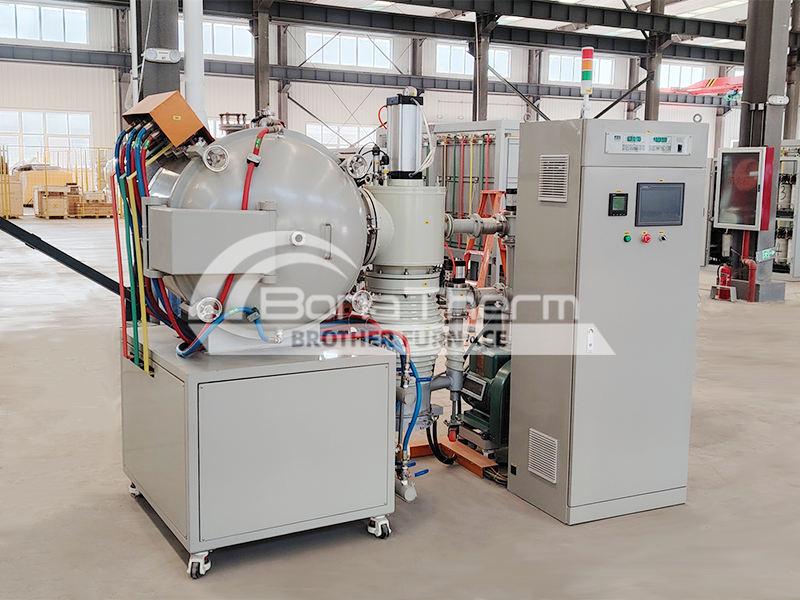
Working Principle of the Vacuum Furnace
Core Structure Components
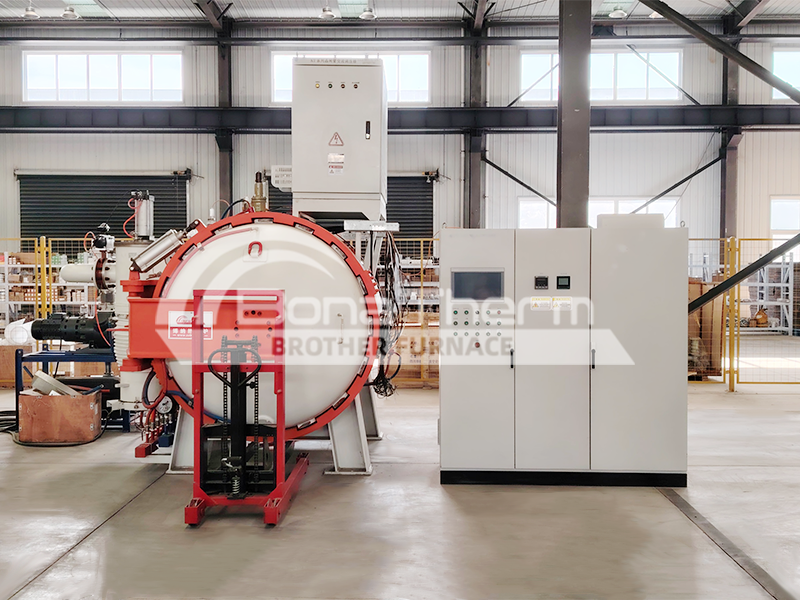
A vacuum furnace is a specialized thermal processing device designed for heating materials in a low-pressure or near-vacuum environment.
Its core structure comprises four key components: a sealed vacuum chamber, a vacuum pumping system, a heating element, and a temperature control module—all critical to stable vacuum annealing and other thermal processes.
Vacuum Environment Formation
Before heating begins, specialized vacuum pumps evacuate the sealed chamber to the preset pressure. This step creates a stable, controllable atmosphere that lays the foundation for high-quality material processing.
Preventing Material Degradation
This vacuum environment fundamentally solves the problem of air-induced material degradation. By removing reactive gases such as oxygen, nitrogen, and water vapor, it effectively inhibits oxidation, decarburization, and nitridation during heating.
Optimizing Heat Distribution
Without air convection, heat distributes uniformly throughout the chamber, preventing local temperature variations. This not only accelerates thermal reaction rates but also significantly enhances the mechanical properties, surface quality, and dimensional accuracy of workpieces.
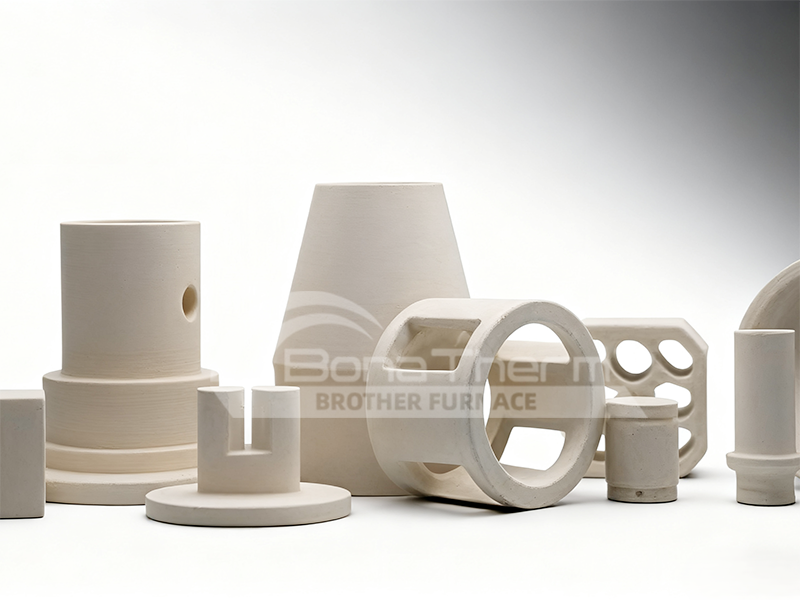
Applications of the vacuum furnace
Metalworking Industry
Their unique advantages make vacuum furnaces indis00pensable in various industries. In metal working, they are the preferred equipment for precision heat treatments, including annealing, quenching, tempering, and vacuum brazing, a process vital for joining high-performance alloys.
For high-value metals used in aerospace engines and medical implants—such as stainless steel, titanium alloys, and superalloys—vacuum heat treatment preserves corrosion resistance and mechanical strength while avoiding surface defects, outperforming traditional atmospheric heating methods.
Semiconductor Industry
In the semiconductor industry, where ultra-high purity is mandatory, vacuum furnaces enable critical processes like silicon wafer diffusion, epitaxy, and vacuum annealing.
The ultra-clean environment prevents component contamination, ensuring high-end chips meet strict electrical performance requirements.
Glass Processing Industry
In glass processing, vacuum furnaces eliminate bubbles and impurities in molten glass. This produces high-purity optical glass for lenses and high-quality display glass for high-resolution screens.
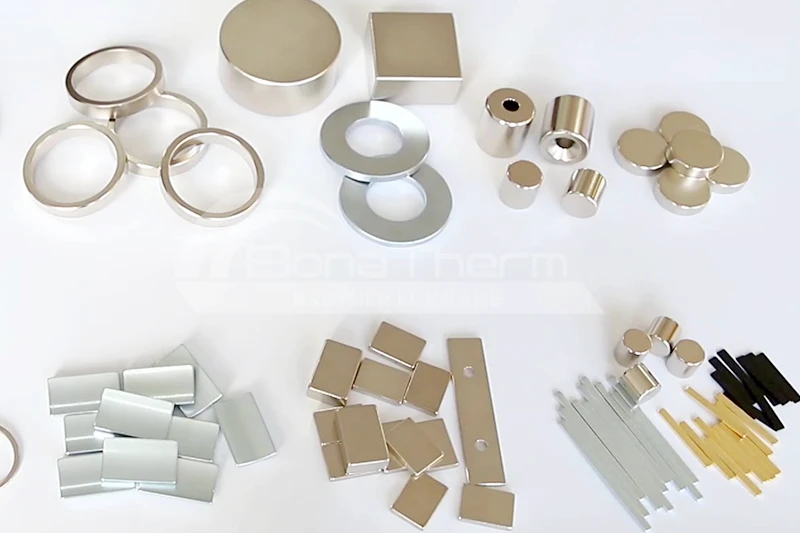
Future Developments
Intelligent Upgrade Trend
Technological advancements drive continuous upgrades to vacuum furnaces, with intelligence and energy efficiency as core directions. Future models will integrate AI to enable real-time monitoring of vacuum chamber pressure, temperature, and gas composition—key to optimizing high-temperature vacuum furnace operations.
AI algorithms will automatically adjust processing parameters and conduct predictive maintenance, reducing human error and significantly boosting production efficiency.
Energy Conservation & Environmental Protection
Amid global sustainability and carbon neutrality goals, R&D efforts will focus on energy conservation. This includes upgraded insulation materials to reduce heat loss, high-efficiency heating elements, and energy-recuperation systems to reuse waste heat.
Expansion to Extreme Conditions
Advanced sealing technology and vacuum chamber design will extend the operating envelope of vacuum furnaces to extreme conditions, including ultra-high temperatures and high vacuum, unlocking new potential for advanced materials such as carbon nanotubes and ceramic-matrix composites through specialized vacuum sintering.
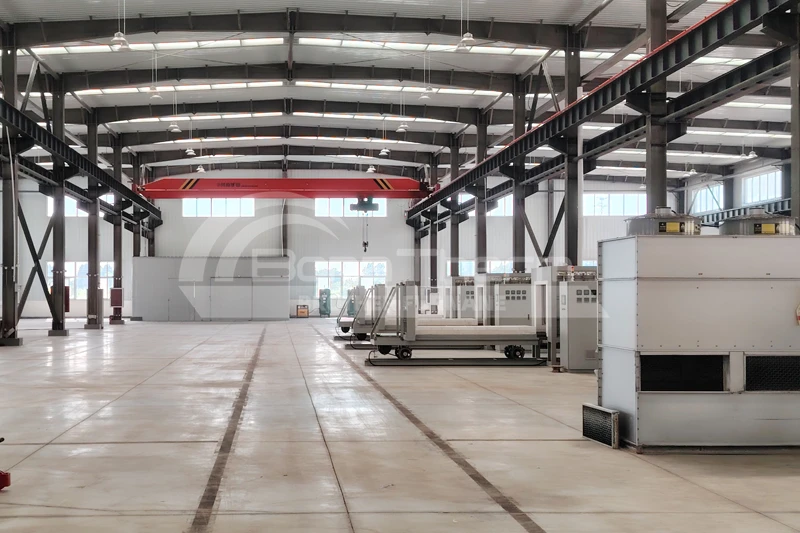
As a key component of modern manufacturing, vacuum furnaces—including high-temperature and precision models—are crucial for industrial upgrading, and new technologies will further enhance their efficiency, intelligence, and environmental performance in thermal processing.
This development will meet global demand for high-precision products, drive breakthroughs in advanced manufacturing technologies that rely on vacuum heat treatment and sintering, and lay the foundation for technological advances in strategic fields such as aerospace, electronics, and medicine.