What is Quenching?
- By: Brother Furnace
- 2024-07-01 23:29
Quenching 101: The Backbone of Metal Heat Treatment
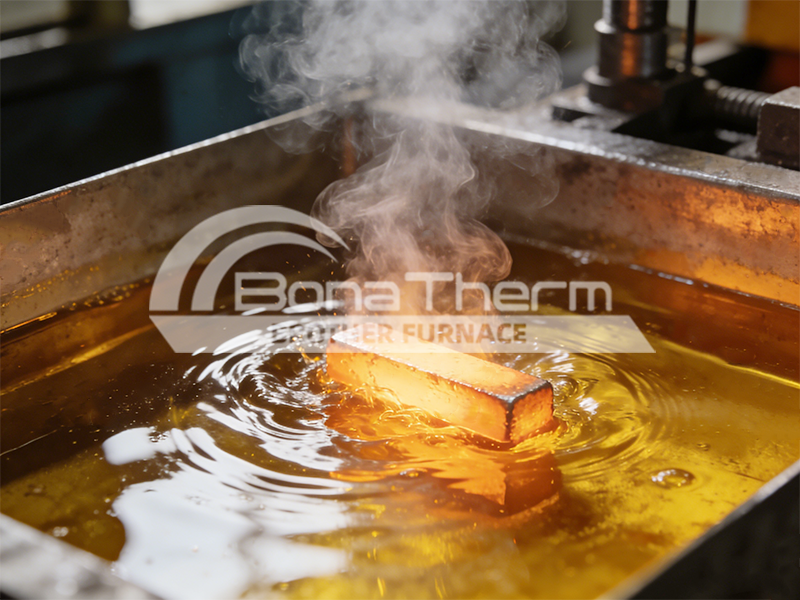
Quenching is a key heat treatment method in metallurgy. It modifies the mechanical and physical properties of metals through controlled rapid cooling.
Unlike slow conventional cooling, quenching speeds up the cooling process. This triggers specific microstructural changes in metals.
These changes are crucial. They enhance the material’s performance for industrial use.
The Magic of Quenching: Martensite & Enhanced Metal Strength
A major result of quenching is martensite formation. Martensite is a hard crystalline structure.
It forms when steels and iron-based alloys undergo quenching. This structure boosts the metal’s hardness and strength significantly.
Quenched metals become essential for parts needing high wear resistance and durability. Examples include cutting tools, automotive components, and industrial machinery.
Choosing the Right Cooling Medium: A Make-or-Break Factor
Rapid cooling is the core principle of quenching. But the cooling medium affects the final metal properties be chosen.
Common Quenching Cooling Mediums
Water: Offers the fastest cooling rate. It helps achieve maximum hardness but may increase brittleness.
Oil: Cools more slowly. It balances hardness and reduces brittleness.
Gas: Provides gentle cooling. It suits materials sensitive to rapid temperature changes.
Tempering: The Perfect Partner to Quenching
Quenching may cause brittleness. Tempering is often done afterward to fix this issue.
This secondary heat treatment reheats the quenched metal to a moderate temperature. Then it cools the metal gradually.
Tempering relieves internal stresses. It balances hardness and toughness, preventing premature failure under cyclic stress.
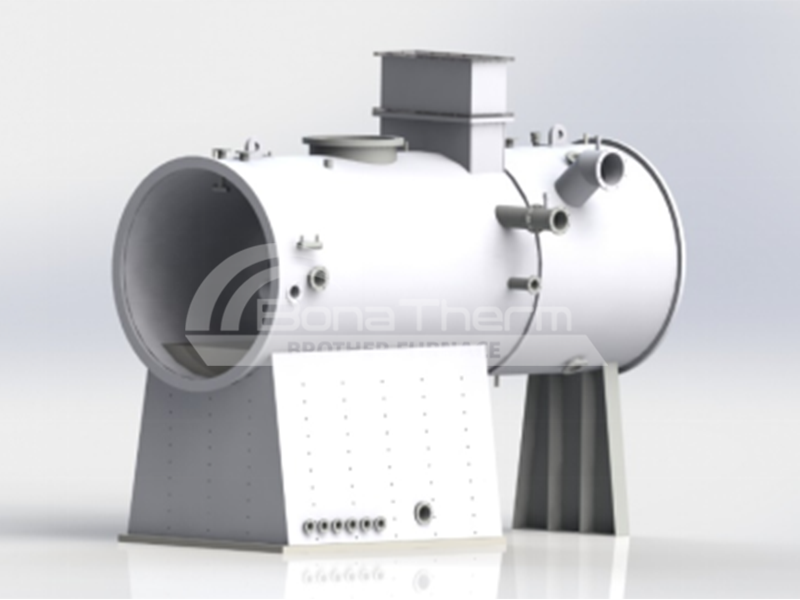
Vacuum Quenching: Elevating Precision & Quality
Vacuum furnaces have upgraded the quenching process. They are ideal for high-precision and high-quality requirements.
Operating in a vacuum environment prevents metal surface oxidation and decarburization. It preserves surface integrity and ensures uniform heat treatment.
Vacuum Quenching Process Steps
First, prepare the material. This includes thorough cleaning and preheating for consistent heating and cooling.
Then, place the metal in the vacuum furnace. Heat it to the optimal quenching temperature.
A soaking period follows. It allows the metal’s internal structure to homogenize.
Finally, start rapid cooling. Inert gases like helium or nitrogen control the cooling rate precisely.
This precision ensures stable metallurgical properties. It makes vacuum quenching suitable for high-alloy steels, precision alloys, and stainless steels.
Brother Furnace: Top-Tier Vacuum Quenching Solutions
Brother Furnace is a leading industrial furnace manufacturer. It offers two advanced vacuum quenching furnaces for different needs.
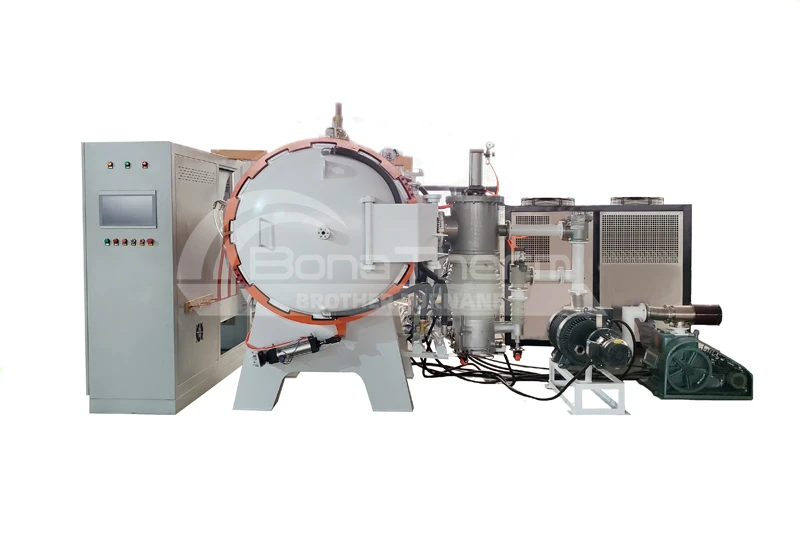 | 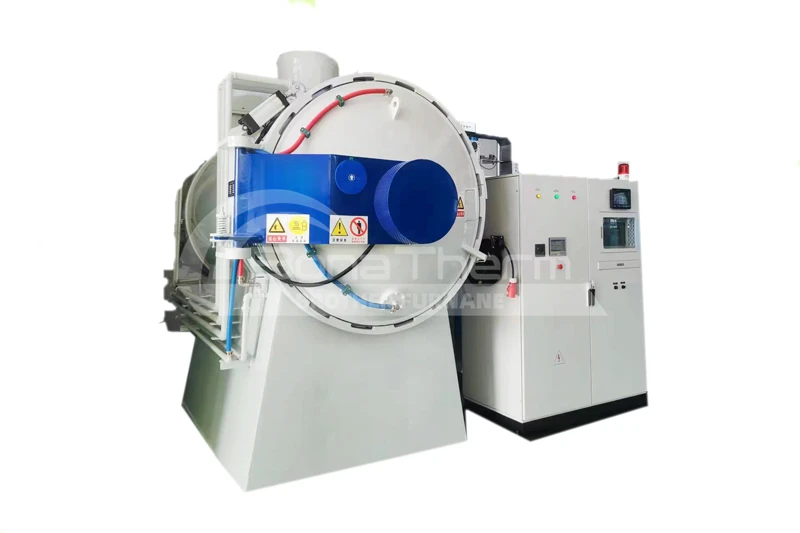 |
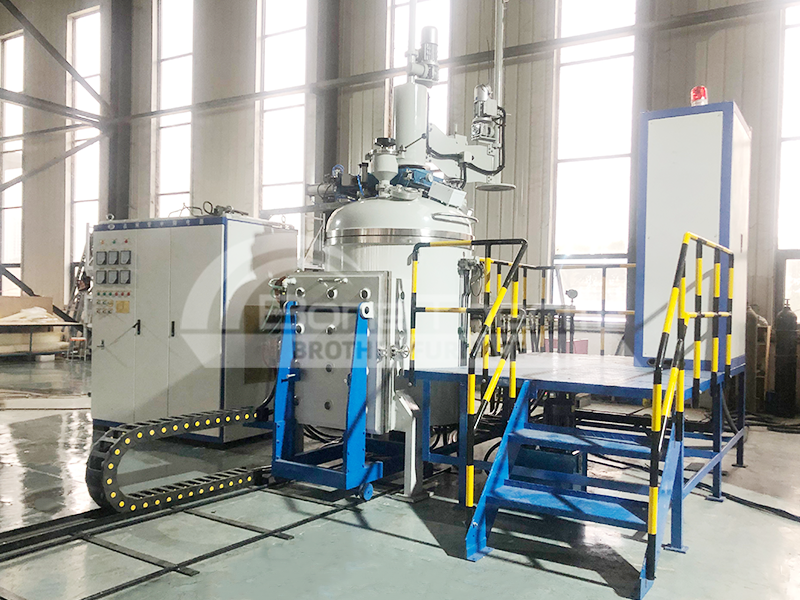
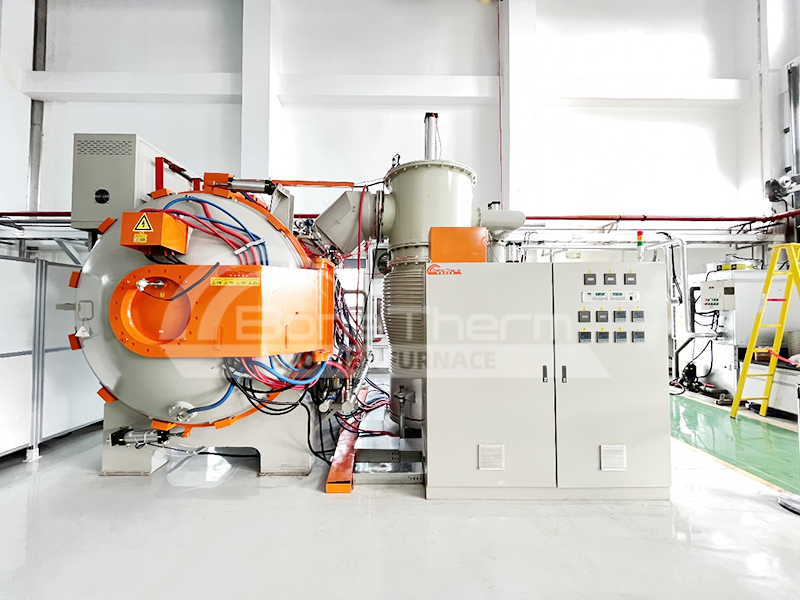
Vacuum Gas Quenching Furnace(Max 1350°C) This kind of vacuum gas quenching furnace excels at processing materials that require strict surface quality control. It avoids contamination and oxidation, and is used in aerospace, electronics, and medical high-precision components. | Vacuum Oil Quenching Furnace(Max 1350°C) The vacuum double-chamber oil quenching furnace is designed for steels and alloys needing exceptional hardness and wear resistance. It is preferred for manufacturing heavy-duty tools, gears, and mechanical parts. |
Why Brother Furnace Stands Out for Your Quenching Needs?
Both furnace models feature high efficiency and precise temperature control.
Brother Furnace provides reliable solutions for diverse industrial needs. Contact the expert team for customized solutions and competitive pricing.