Exploring the Advantages of Vacuum Sintering Furnace
- By: Brother Furnace
- 2024-06-24 20:29
As high-precision material processing continues to advance, vacuum sintering furnaces have emerged as indispensable core equipment, reshaping the production paradigm of high-performance components across industries.
Through the construction of a precisely controlled vacuum space, these furnaces overcome the inherent drawbacks of conventional sintering methods, providing reliable technical support for the mass production of high-quality materials in key fields.
What is a Vacuum Sintering Furnace?
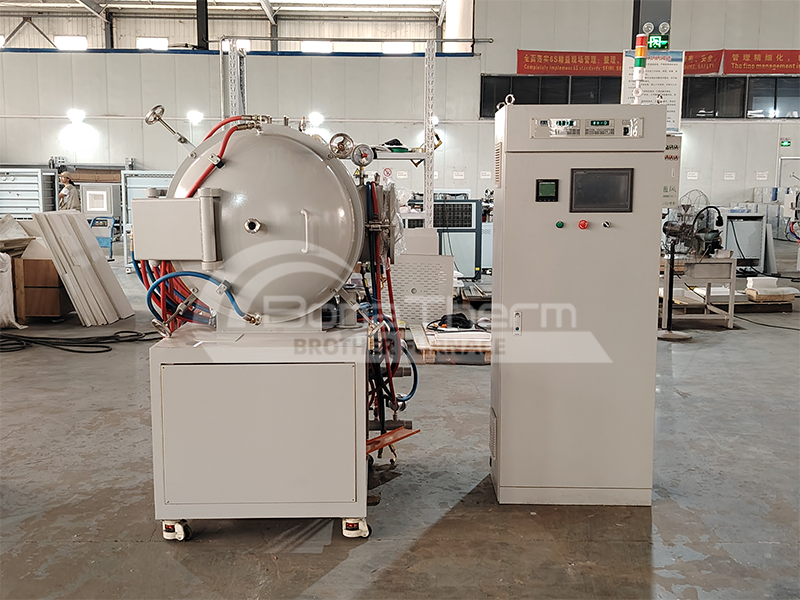
A vacuum sintering furnace is a heat treatment device specifically designed to bond material particles together without melting them.
It heats materials to specific temperatures in a vacuum environment, isolating them from air and other gases to prevent oxidation and contamination.
During this process, atomic diffusion occurs in the material particles under high temperatures and vacuum, significantly improving the material's density and mechanical strength.
The near-gas-free environment of a vacuum protects the material from oxidation and unwanted chemical reactions, ensuring the final product has high purity and excellent performance.
Applicable Materials of Vacuum Sintering Furnaces
With strong versatility, vacuum sintering furnaces are widely used for processing metals, ceramics, composites, and advanced materials, catering to both laboratory research and industrial production.
Metals
Titanium alloys, tungsten, molybdenum, steel, and stainless steel are typical applications. For example, titanium alloys rely on vacuum sintering to maintain oxidation-free conditions, enhancing their strength and corrosion resistance for aerospace and medical devices.
Tungsten and molybdenum, used in high-temperature scenarios such as lighting filaments, achieve improved purity through vacuum sintering.
Ceramics & Composites
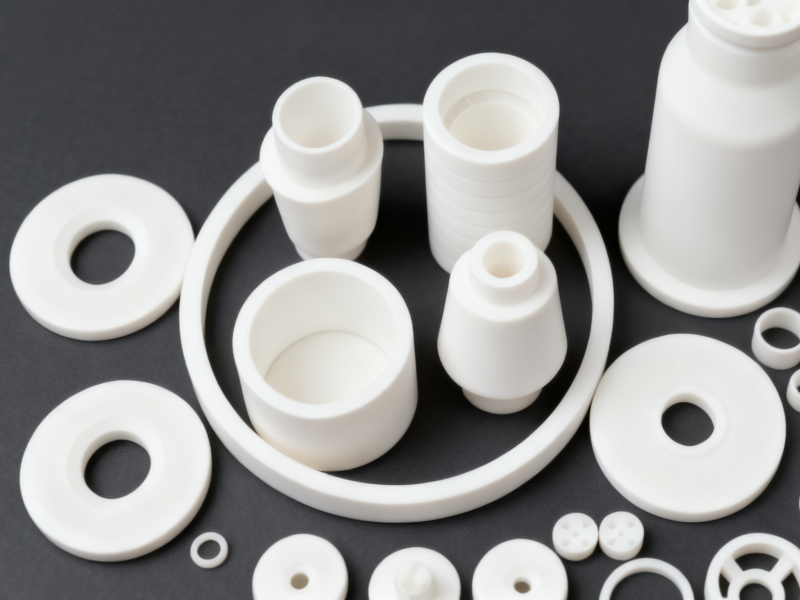
Ceramics such as alumina, zirconia, and silicon carbide benefit from vacuum sintering to boost density, strength, and stability, serving electronic components and biomedical fields.
Metal-ceramic composites and carbon-based composites achieve better bonding strength and structural integrity via this process, suitable for wear-resistant parts and aerospace components.
Advanced Materials
Magnetic materials, superconducting materials, and fuel cell materials all require vacuum sintering. It enhances magnetic properties, ensures contamination-free processing, and guarantees high purity for critical applications.
Core Advantages of Vacuum Sintering Furnaces
1. Controlled Vacuum Atmosphere
The vacuum environment fundamentally prevents oxidation and contamination, producing high-purity materials with enhanced mechanical properties, which is essential for demanding industries like aerospace and medical devices.
2. Precision & Operational Efficiency
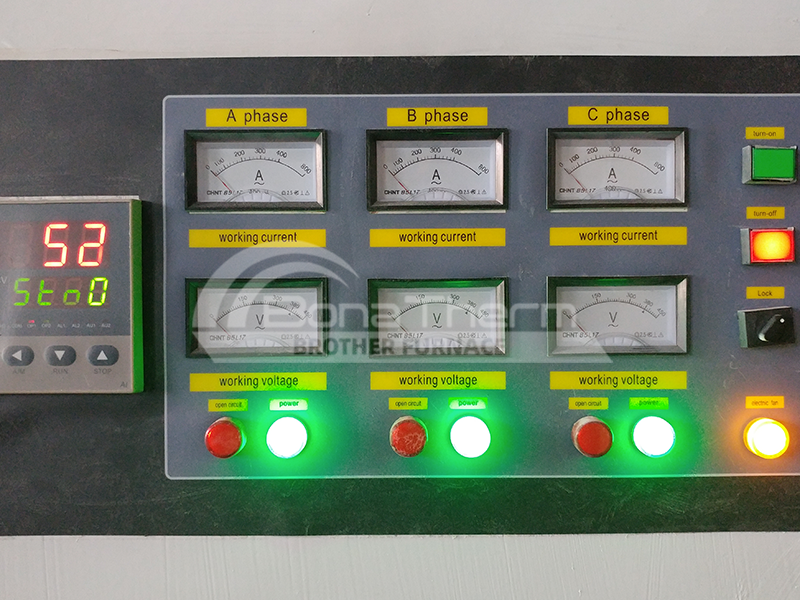
Advanced temperature and pressure control systems ensure uniform material properties and consistent production. Modern vacuum furnaces feature user-friendly designs, with automation reducing human error and remote monitoring simplifying operations.
3. Safety & Energy Conservation
Robust safety designs and automated protocols minimize risks of high-temperature operations. Optimized heating and cooling cycles to improve energy efficiency, cutting operational costs and supporting sustainable manufacturing.
4. Superior Product Quality & Versatility
Controlled conditions reduce defects such as porosity, ensuring homogeneous material performance. Its ability to process diverse materials and adapt to different production scales meets evolving industrial needs.
Common Types of Vacuum Sintering Furnaces
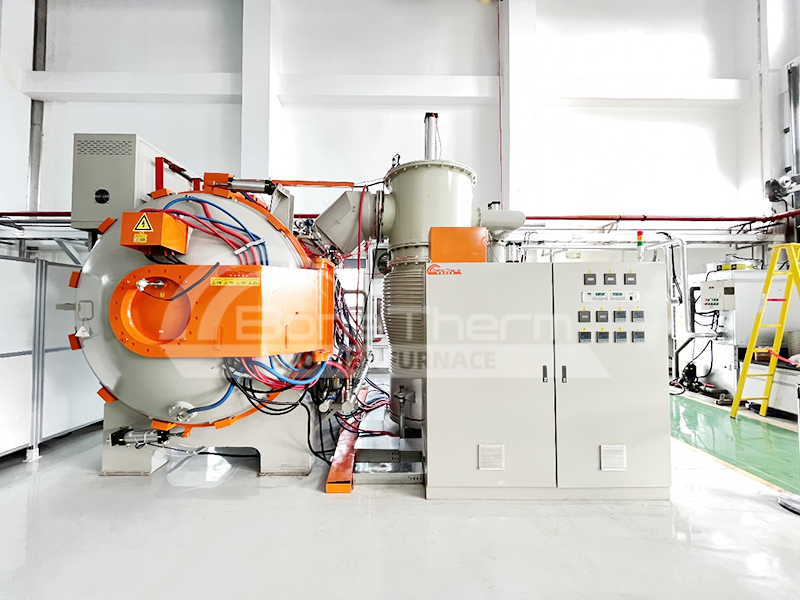
Furnaces are mainly classified by chamber material, each tailored to specific materials:
Tungsten wire chamber furnaces suit high-melting-point metals like tungsten and molybdenum. Graphite chamber furnaces are ideal for carbon-based materials such as silicon carbide.
Ceramic fiber chamber furnaces excel in processing alumina and zirconia. Molybdenum foil chamber furnaces are designed for molybdenum and its alloys. Structurally, they can be horizontal or vertical.
Unlock the Potential of High-Performance Sintering
Vacuum sintering furnaces have become indispensable in modern manufacturing, driving advancements in high-performance material production.
As a professional vacuum furnace manufacturer with almost 20 years of experience, Brother Furnace provides tailored solutions for global customers. For customized needs or technical inquiries, contact us for support.