Vacuum Furnace Operation and Maintenance
- By: Brother Furnace
- 2024-07-15 20:30
Proper operation and regular maintenance of a vacuum furnace—including vacuum sintering furnaces, vacuum brazing furnaces, vacuum melting furnaces, and vacuum heat treatment furnaces—are essential, as they ensure stable performance, protect the safety of personnel and equipment, and help extend the equipment’s service life.
This article compiles key operational and maintenance guidelines, providing practical, easy-to-follow advice for operators.
Operational Guidelines: Lay the Foundation for Safe Use
Pre-Operation Preparation: Know Your Furnace Well First
Before any operation, operators must fully understand the equipment. First, they should grasp the performance parameters of vacuum heat treatment furnaces and learn the structural principles of key systems for different furnace types, including workpiece transfer mechanisms for vacuum sintering furnaces and heating elements for vacuum brazing furnaces.
Master Auxiliary Equipment & Procedures
They should master the operation of auxiliary equipment such as vacuum pumps and temperature controllers, and be proficient in standard operating procedures.
Familiarize with Safety & Controls
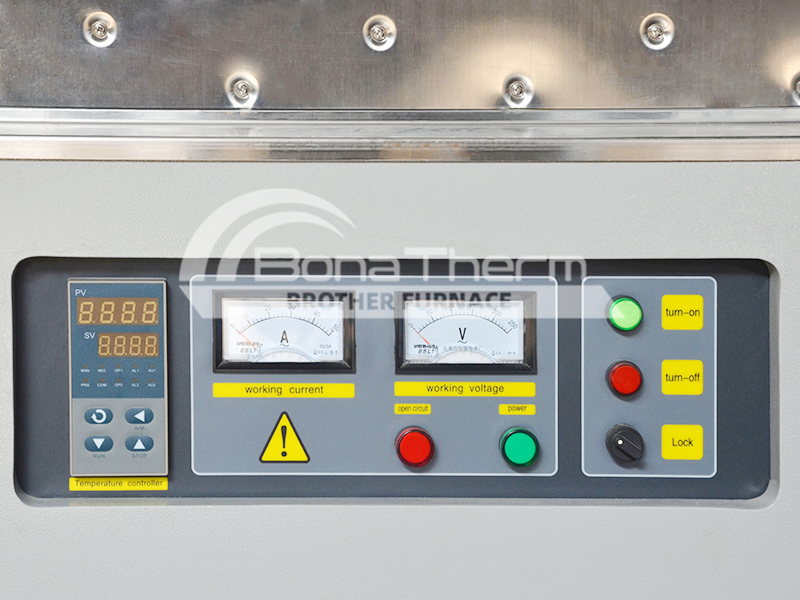
Operators must know the functions of all control buttons and switches, and familiarize themselves with safety devices and emergency response measures to avoid operational errors.
Pre-Furnace Startup Check: Ensure Everything Is in Place
A thorough pre-startup check is critical before turning on the furnace. First, inspect the interior of the furnace—whether it is a vacuum melting furnace—to ensure it is clean and meets vacuum hygiene standards.
Check Electrical Connections & Insulation
Check that the electrical connections in the power supply and heating system are intact, especially for high-temperature vacuum heat treatment furnaces, and measure the insulation resistance between the electrodes and the furnace body to ensure it meets specifications.
Verify Instruments & Thermocouple
Confirm that the thermocouple is correctly positioned and that the polarity of its compensation wire is correct. Verify that all temperature controllers, recorders, and vacuum gauges are accurate and functional.
Check Fluids & Safety Alarm
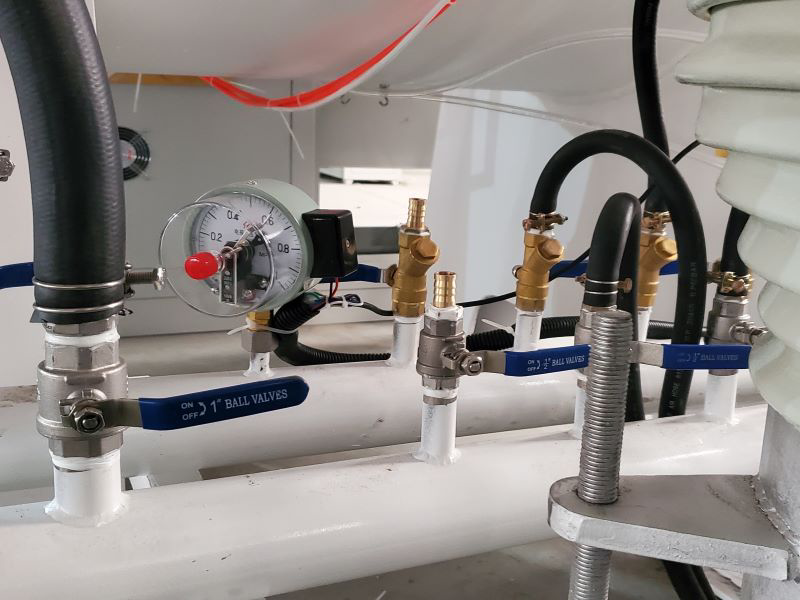
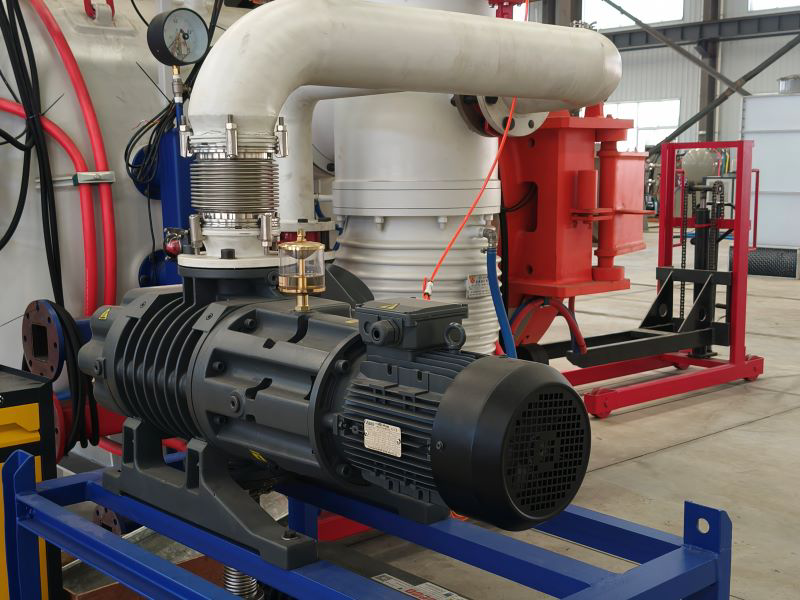
Ensure the vacuum pump has sufficient oil, check that the compressed air pressure meets requirements, and confirm that the cooling water pressure and temperature are correct.
Additionally, test the safety alarm system to ensure it works properly.
During-Operation Precautions: Stay Alert for Stable Performance
During operation, strictly follow the process specifications tailored to each furnace type: control the heating rate for vacuum sintering furnaces, including the set temperature, holding time, and required vacuum level.
Do not start heating until the vacuum reaches the specified value; if the vacuum level drops due to workpiece outgassing, reduce the heating rate promptly.
Constantly monitor the temperature and vacuum gauges and make adjustments as needed.
In the event of a fault, immediately cut off the heating power, continue evacuating the furnace, and only conduct inspection and maintenance after the temperature drops to a safe range.
Vacuum System Operation: Protect the "Core" of the Furnace
Maintain Vacuum Pump Oil Levels
Maintain the proper oil level in vacuum pumps for all furnace types, and regularly replace the oil in oil booster pumps and diffusion pumps, which are critical for maintaining vacuum levels in vacuum melting furnaces and vacuum heat treatment furnaces.
Proper Pump Shutdown Procedures
Before shutting down a pump, close its inlet valve to isolate it from the vacuum system and vent the pump to prevent oil backflow.
Start the mechanical booster pump only after the fore-vacuum pump reaches the specified pressure, and monitor the pump temperature to keep it within the allowable range.
Operate oil diffusion pumps under permitted pressure conditions—especially important for vacuum furnaces—close their inlet and outlet valves before shutdown, and ensure the cooling water circuit operates normally when the vacuum pumps are in use.

Emergency Response & Daily Maintenance: Extend Furnace Lifespan
Emergency Handling Measures: Respond Quickly to Avoid Risks
Handle power failures during heating with caution, particularly for vacuum melting furnaces and vacuum heat treatment furnaces:
First, turn off the main power supply, set all buttons to the off position, close the necessary vacuum valves, and adjust the water flow to quickly cool critical components.
Respond to water supply failures immediately: cut off the power supply right away, switch to a backup water supply if available, and if no backup exists, manually cool high-temperature areas.
Move the workpieces to the cooling chamber to cool them with nitrogen; if the circulating water system pressure is low and the power is out, close the main shut-off valve.
Daily Maintenance Requirements: Small Steps for Long-Lasting Use
Daily maintenance is key to extending the equipment’s service life. After the operation, maintain the furnace vacuum below 500 Torr for vacuum sintering furnaces, and clean the furnace interior with alcohol or gasoline—paying extra attention to vacuum melting furnace crucibles—ensuring it is completely dry.
Clean & Care for Seals & Exterior
Care for the sealing structures and vacuum system components by cleaning and drying them, then applying vacuum grease before reassembly.
Regularly wipe the exterior of the furnace to keep it clean, and ensure workpieces are clean and dry before loading to avoid introducing moisture and contaminants.
Maintain Transmission & Electrical Components
Promptly address transmission component issues for all furnace types, and regularly lubricate or replace oil in mechanical transmission parts of vacuum sintering furnaces in accordance with standard procedures.
Follow the technical manual to maintain pumps, valves, instruments, and electrical components of vacuum melting furnaces, and always cut off the power supply before any maintenance work.
Following these vacuum furnace guidelines—applicable to the vacuum furnace is more than just checking off a list—it’s how you keep the equipment running smoothly and safely for years to come.
Prioritize safety, adhere to regular checks, and address issues quickly to maximize performance and protect your team.