Precautions When Operating a Vacuum Furnace
- By: Brother Furnace
- 2024-07-23 02:14
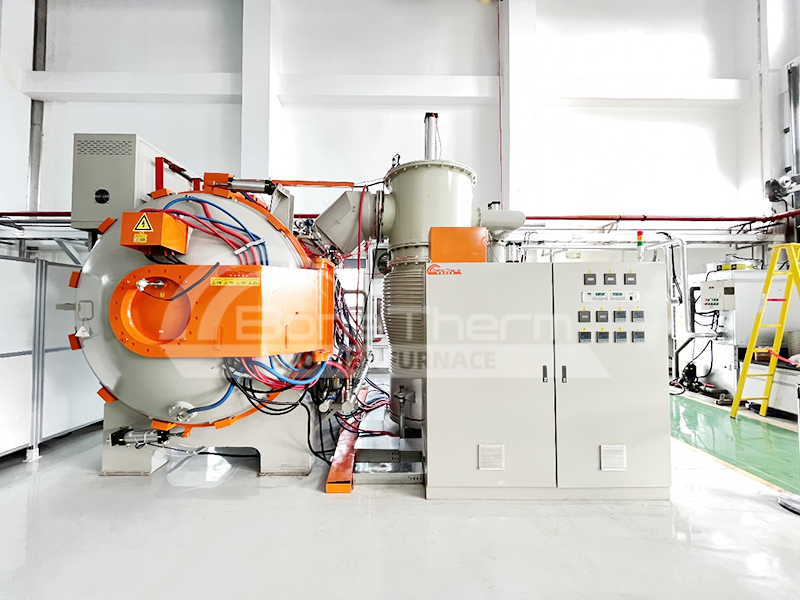
Vacuum furnaces stand as indispensable equipment for high-temperature heat treatment processes. Their application spans across the aerospace, automotive, and electronics sectors, underpinning critical manufacturing workflows.
Meticulous operational practices are non-negotiable. They safeguard workplace safety, preserve equipment integrity, and ensure consistent, high-caliber outcomes for manufacturers and operators alike.
Are you an experienced operator? Or are you training new staff? Either way, these practical precautions will help you operate your vacuum furnace effectively.
1. Start with a Thorough Pre-Operation Inspection
Focus on Critical Components First
Take 5–10 minutes to inspect the furnace before use. This simple step prevents most avoidable breakdowns. It also avoids safety hazards.
You should focus on critical components. These include seals and the vacuum pump. Seals are used to maintain a tight vacuum. The vacuum pump is the heart of the entire system.
Address Leaks and Damages Immediately
Perform a quick leak check. If you notice air seepage, stop operations immediately. Unusual noises or seal wear also require an immediate stop.
Replace or repair damaged parts first. Cutting corners here can ruin batches. It may also damage equipment or endanger your team.
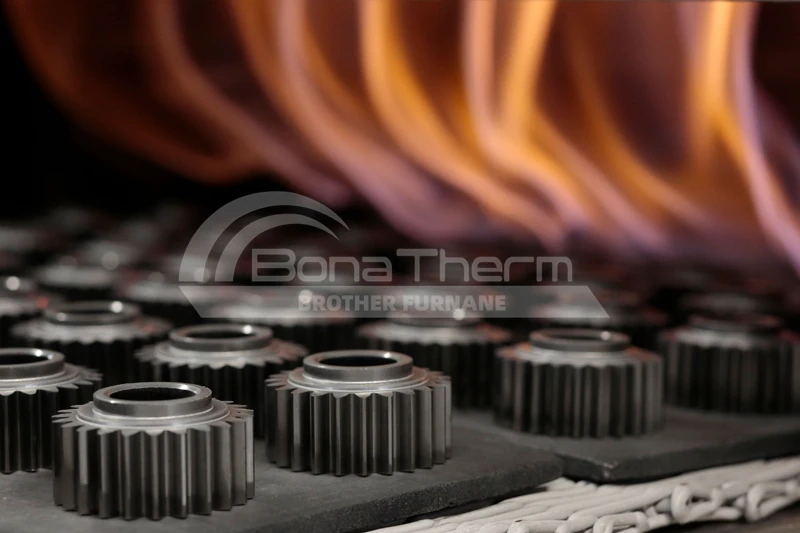
2. Preheat Workpieces to Avoid Costly Deformation
Why Preheating Cannot Be Skipped
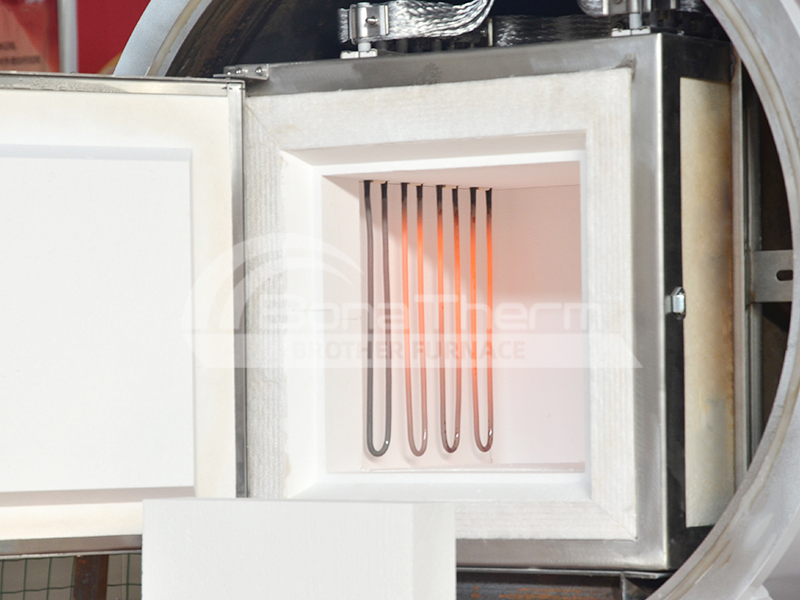
Rapid temperature spikes cause thermal stress. This stress leads to warping, cracking, or permanent deformation. It wastes time, materials, and money. So preheating is non-negotiable.
Adjust Preheating Based on Workpieces
Adjust the preheating time and temperature accordingly. You need to base them on the workpiece material. Processing needs also matter.
For example, delicate aerospace components need slower preheating. They also require lower temperatures. This is different from thick automotive parts. Proper preheating helps retain the workpiece’s shape and performance.
3. Master Temperature Control for Consistent Results
Avoid Rapid Temperature Changes
Operating a vacuum heat treatment furnace isn’t a “set-it-and-forget-it” process. Temperature control requires attention to detail. Use gradual and consistent heating rates. The same applies to cooling rates.
This avoids internal stress in workpieces. Internal stress can crack workpieces. It may also compromise their quality.
Follow Recommended Parameters
Familiarize yourself with the temperature control system. Follow the recommended parameters closely.
Don’t rush the heating or cooling cycles. This ensures uniform heat distribution. It also delivers reliable and consistent results.
4. Prioritize Safety
Wear Proper Protective Gear
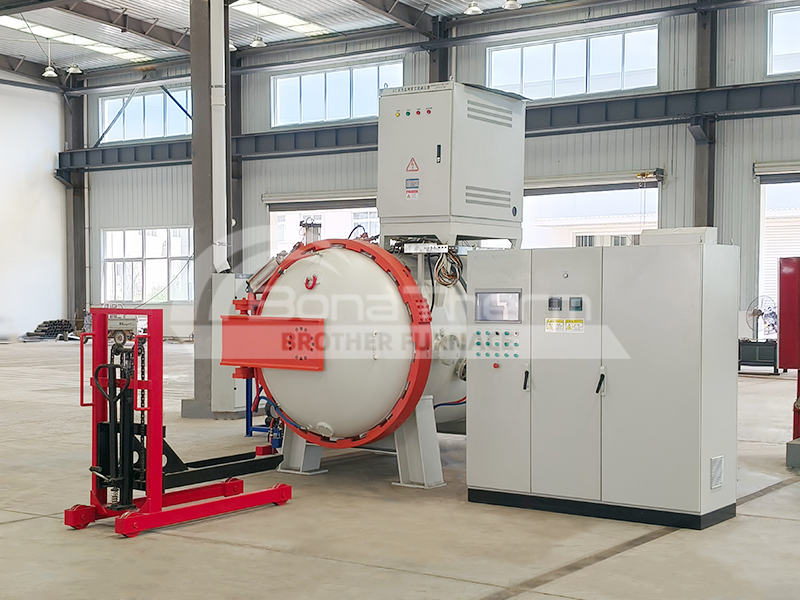
Your team’s safety is paramount. Vacuum sintering equipment operates at extreme temperatures. Often, these temperatures exceed 1,000°C. They work in a sealed environment, too.
Ensure all operators wear proper protective gear. Heat-resistant gloves are a must. They also need safety goggles and flame-retardant clothing.
Train on Emergency Protocols
Train your team on emergency protocols. These protocols cover vacuum leaks, overheating, and equipment failures.
Keep emergency shutoffs accessible. Conduct regular safety drills to reinforce these practices.
5. Stick to a Regular Maintenance Schedule
Create a Simple Maintenance Plan
Treat your furnace as a valuable investment. Implement a consistent maintenance routine. This ensures smooth operation. It also extends the furnace’s lifespan.
It reduces unplanned downtime. Develop a simple maintenance plan. Replace worn seals every 6–12 months. Clean the vacuum pump regularly. Check the electrical system periodically. Look for loose connections or signs of wear.
Track Maintenance and Log Issues
Assign someone to track maintenance tasks. Ask them to log any issues that arise. This helps address small problems early. It prevents them from becoming costly repairs.
6. Keep Detailed Operation Records
Record Key Operational Parameters
Documentation may feel tedious. But it is invaluable for furnace operations. Record key parameters during each run.
These include temperature, pressure, and cycle times. Also, note any adjustments made to the process.
Use Data to Improve Performance
This data serves two critical purposes. First, it helps you analyze treatment outcomes. If a batch fails to meet standards, you can review the logs. They will help you identify what went wrong.
Second, it allows you to track vacuum equipment. You can spot potential issues over time. For example, you may notice a declining vacuum pump. Addressing it early avoids costly downtime.
Final Thoughts: Consistency Is Key
Proper vacuum furnace operation relies on consistent best practices. Following these precautions avoids common mistakes. It reduces waste and keeps equipment in optimal condition.
This benefits your team, your customers, and your bottom line. We hope this guide simplifies your daily operations. We also hope it enhances safety. Have questions about furnace models, processes, or maintenance? Don’t hesitate to reach out.