The Potential of Furnaces in Material Processing
- By: Brother Furnace
- 2023-12-13 00:00
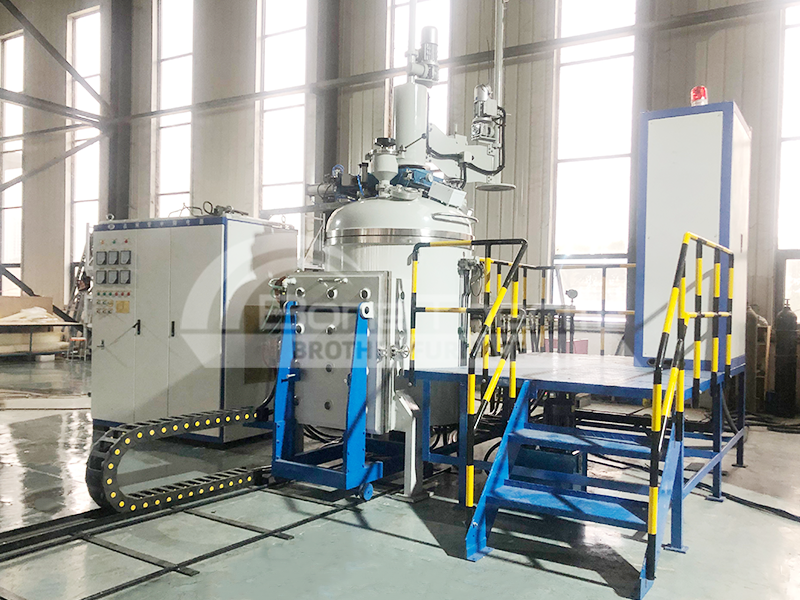
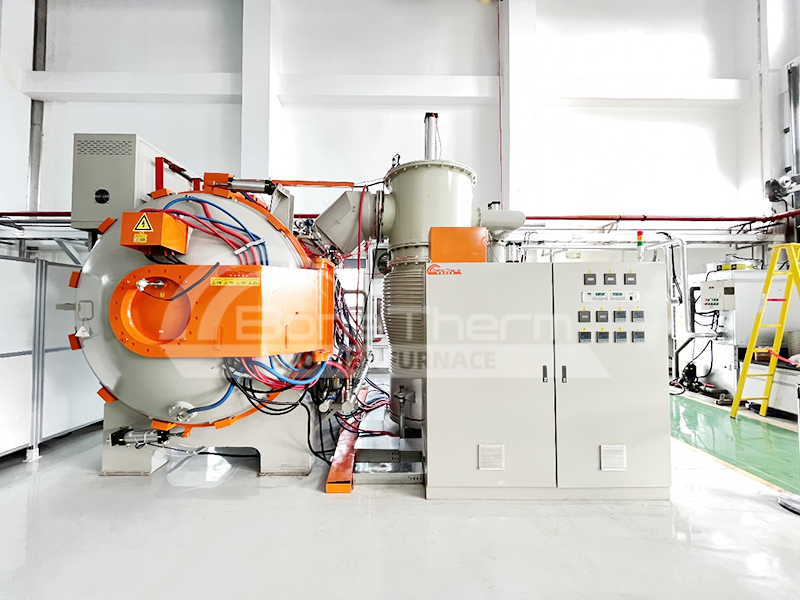
Our products are mainly divided into two categories: vacuum furnaces and experimental electric furnaces. They play a vital role in modern materials processing.
In various industries and fields, they enable controlled heat treatment, and with their reliable heating performance, they lay the foundation for innovation in high-demand areas such as materials handling and industrial processing.
The Evolution of Furnace Technology
Furnace technology has advanced in tandem with industrial demands for refined heat treatment and energy-efficient industrial heating. Today’s sectors require precision, efficiency, and application-specific solutions—capabilities that conventional heating equipment fails to deliver for complex material processing tasks.
Modern furnaces are engineered to align with unique material properties and processing requirements, catering to applications spanning microscale semiconductor fabrication to large-scale metallurgy via targeted thermal processing. This specialization has given rise to three core furnace types, each boasting distinct mechanisms and use cases for optimized material fabrication.
Core Types of Furnaces and Their Uses
Vacuum Furnaces
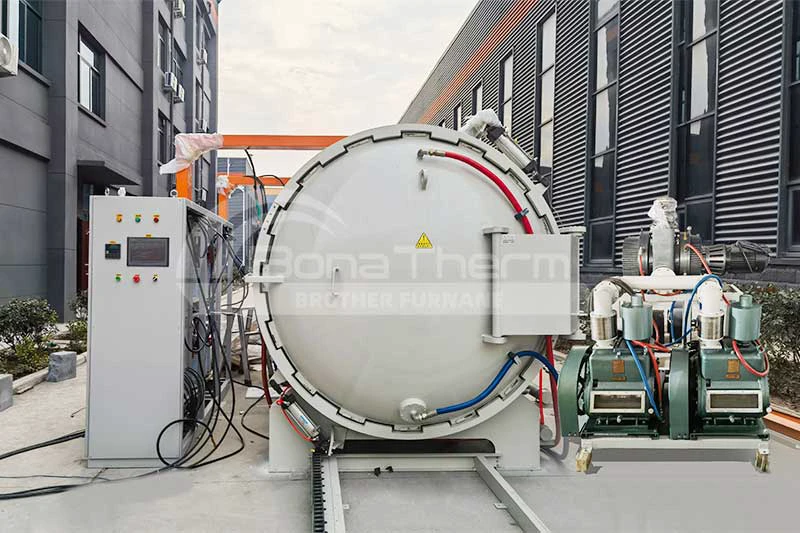
Vacuum furnaces operate in low-pressure or oxygen-free environments, addressing the critical challenge of oxidation and contamination in high-precision material fabrication and heat treatment processes. Their design is tailored for sensitive tasks where purity is non-negotiable.
By removing reactive gases from the chamber, these furnaces facilitate processes such as brazing, diffusion bonding, and heat treatment of sensitive materials—key steps in advanced material processing. The result is void-free, high-purity components—essential for aerospace, automotive, and semiconductor industries where heating reliability is paramount.
Muffle Furnaces
Muffle furnaces specialize in isolated heating for precise heat treatment and material fabrication. Their enclosed chambers separate the heating element from the sample, preventing direct contact and potential contamination during delicate material processing operations.
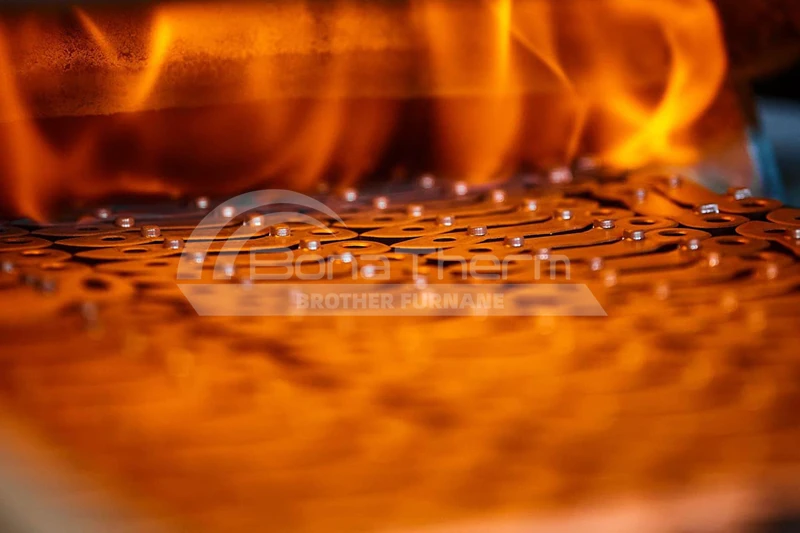
They guarantee uniform heat distribution, making them ideal for laboratory research, annealing delicate parts, and sintering ceramic powders in small-scale material processing. Versatile and user-friendly, muffle furnaces are a mainstay in both academic laboratories and small-batch industrial production requiring controlled thermal processing.
Furnaces in Key Industrial Sectors
Semiconductor Manufacturing
Cutting-edge furnaces are integral to semiconductor fabrication, enabling critical thermal processing steps like doping, oxidation, and rapid thermal annealing—processes that directly determine device performance and miniaturization levels in high-tech material fabrication.
Innovations such as ultra-high vacuum systems and programmable heating cycles empower manufacturers to optimize heat treatment workflows, producing more complex chips that support the expansion of AI, 5G, and IoT technologies through advanced material processing.
Ceramics and Metallurgy
Furnaces drive efficiency and innovation in ceramic production via specialized thermal processing. Advanced designs with automated temperature and atmosphere control convert raw powders into dense, durable components for material fabrication across sectors.
These ceramics are used in electronics, construction, and medical devices, reducing production costs while improving consistency in material processing. In metallurgy, furnaces enable precise heat treatment, such as quenching, which enhances metal strength, corrosion resistance, and service life through controlled thermal processing.
The Future of Furnaces in Material Processing
Emerging trends are expanding the role of furnaces in material processing. Additive manufacturing, nanotechnology, and sustainable materials development all call for innovative furnace solutions tailored to next-gen thermal and heat treatment needs.
Additive Manufacturing and Sustainability
3D printing relies heavily on specialized furnaces for post-processing thermal work. Sintering printed parts requires compact, fast-cycling systems to achieve full density and structural integrity in additive manufacturing of materials.
Sustainability is also a key driver of innovation in industrial heating. Energy-efficient furnaces—powered by renewable energy sources and equipped with waste heat recovery systems—help reduce the environmental footprint of heat treatment operations.
Nanotechnology Frontiers
Nanomaterial processing demands extreme precision in temperature and atmosphere control for specialized thermal processing. Furnaces capable of operating at ultra-high temperatures with nanoscale uniformity are critical to advancing this frontier of material fabrication.
Such furnaces will propel innovations in energy storage, quantum computing, and advanced composites, solidifying the role of furnaces in cutting-edge material processing at the forefront of material science.
As industries strive for enhanced performance, efficiency, and sustainability, furnaces will continue to evolve in lockstep. They are poised to remain a cornerstone of thermal processing for decades to come, shaping the future of industrial heating and material processing.
Brother Furnace is a professional vacuum furnace manufacturer with over 20 years of industry experience and can provide you with high-quality vacuum furnace products. Please feel free to contact us if you have any needs.